

According to a Forfeiture Order issued by the Commission in mid-September, Masner Beauplan has been ordered to pay a financial penalty of $920,000 for operating an unauthorized radio station in Irvington, NJ, known as “Radio Leve Kanpe.” Under the Order, Beauplan is required to pay the penalty within 30 days or face further action by the U.S. Department of Justice.
This case dates back to late 2023, during which time Beauplan engaged in the pirate radio broadcasting activities referenced in the Order for a period of 46 days. The Commission subsequently issued a Notice of Apparent Liability for Forfeiture (NAL) against Beauplan in September 2024. However, Beauplan has failed to file any response to the Commission in connection with the NAL.
Under the scope of the 2024 rules, the FDA revised its existing pre-market authorization requirements to include LTDs. The revised rules required that hospitals and healthcare systems that develop their own LDTs for use in-house seek FDA authorization prior to their use.
However, LTDs are generally not commercially distributed and are used exclusively in healthcare settings to provide accurate, high-quality results that give physicians timely and critical information to diagnose and treat patients.
From the outset, the 2024 rule changes faced pushback from many healthcare organizations, including the U.S. American Hospital Association (AHA), that claimed the FDA’s action represented an overreach of its authority. That view was ultimately validated in a federal court decision earlier this year that vacated the FDA’s 2024 rule revisions.
According to an article posted on Wolters Kluwer’s “Vital Law” website, FCC Chair Brendan Carr communicated in a post on X, the social media platform, that a combined effort by the agency and e-commerce sites resulted in the removal of “several million listings for covered equipment.”
Further, Carr notes that e-commerce sites have also made “new commitments…to both adopt additional best practices and coordinate with the FCC to monitor and prevent the unlawful online sale of Covered List equipment.”
The initiative, named “Operation Clean Carts,” comes in the wake of the FCC’s efforts to remove recognition of equipment approvals issued by foreign-controlled testing laboratories, including those operating under the supervision of China’s State-owned Assets Supervision and Administration Commission (SASAC).

In seven separate Notices of Intent issued in early September, the FCC notified test laboratories of its intent to withdraw their recognitions as FCC-accredited facilities. The laboratories affected include CVC Testing, CVC Testing Shanghai, Chongqing Academy of Information and Communications, CQC Internet of Vehicles Technical Service Co. Ltd., TTL CAICT, TUV Rheinland-CCIC Ningbo Co. Ltd., and UL-CCIC.
According to the FCC, the basis for its action is that these companies are “owned by, controlled by, or subject to the direction of” entities identified by the U.S. government as untrustworthy under rules adopted in May 2025.
Additionally, four other laboratories—CESI (Guangzhou) Standards, China Academy of Information and Communications Technology (CAICT), Shanghai Institute of Measurement and Testing Technology (SIMT), and CCIC Southern Testing Co., Ltd.—have had their recognitions expire or renewal requests denied since the new rules were adopted.
The FCC’s rules, which took effect in September, prohibit the recognition of test labs and Telecommunications Certification Bodies that are owned by or subject to the control and direction of foreign adversary governments.
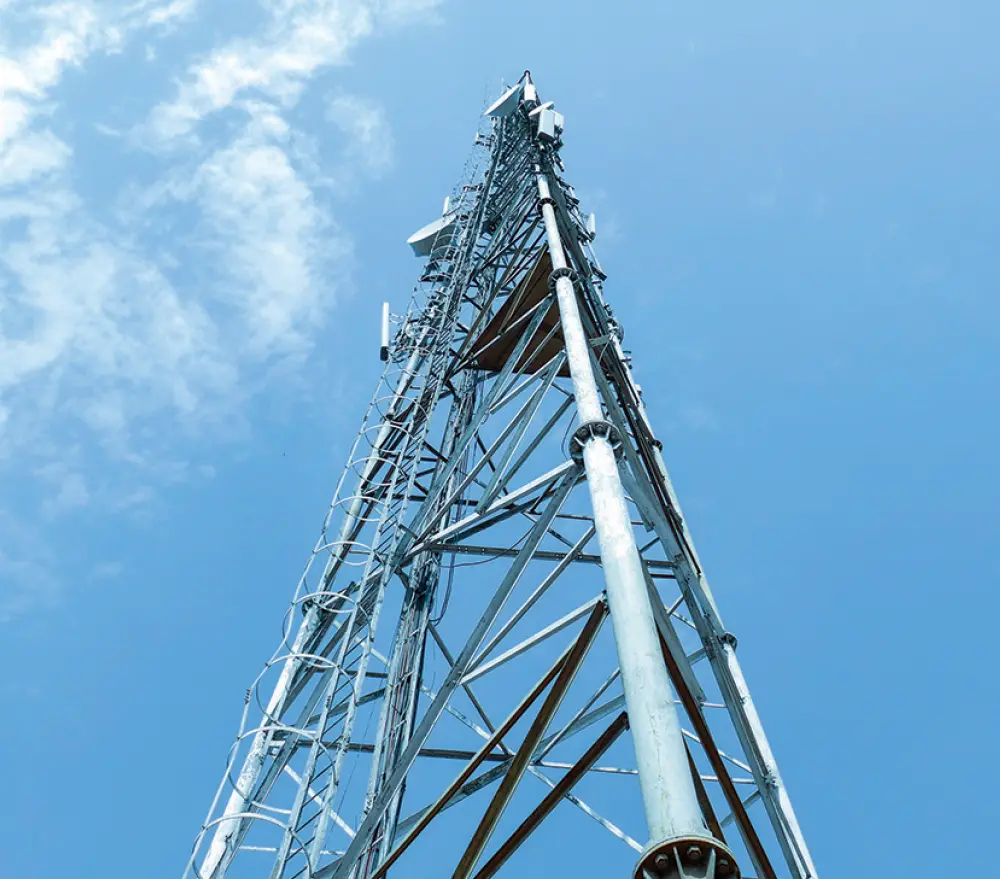
According to a Notice of Proposed Rulemaking (NPRM), the Commission will begin a formal investigation into how to accelerate the buildout of cell phone and other wireless infrastructure components, as well as overcoming state and local restrictions that have limited or blocked the deployment of 5G and 6G technologies in certain areas.
The FCC says that mobile data traffic is expected to grow at a compound annual growth rate (CAGR) of 12% between now and 2030. Also, the use of artificial intelligence (AI) and AI-based technologies is likely to grow dramatically, further increasing the demand for mobile network capacity.
According to a Consent Decree issued by the Commission in mid-September, T-Mobile marketed for sale in 2024 the REVVL 7 PRO 5G smartphone prior to the device receiving the required FCC equipment authorization. In a response to a Letter of Inquiry sent from the Enforcement Bureau in October 2024 regarding the pre-authorization marketing of the device, T-Mobile claimed that compliance with FCC rules was part of its agreement with Wingtech, the manufacturer of the device.
However, the Commission disagreed that the terms of T-Mobile’s agreement with Wingtech satisfied the documentation requirements to support its compliance claims.
Under the Consent Decree, T-Mobile has agreed to the facts in the case as presented by the Commission. Further, the company has committed to implementing a comprehensive compliance plan to ensure that devices marketed by T-Mobile in the future are compliant with the FCC’s Equipment Marketing Rules and to file annual compliance reports with the FCC for a period of three years.
Finally, T-Mobile has agreed to make a “voluntary contribution” of $7000 to the U.S. Treasury.
According to an article posted to the website of MD+DI, FDA 510(k) review times average between 140-175 days for the year to date, a timeframe the article says “remain(s) elevated compared to historical baselines.” Further, between 70-80% of 510(k) submissions exceed the 90-day target review timeframe previously established by the agency.
The extended review times for medical devices have been significantly impacted by staffing cuts implemented by the FDA earlier this year under the federal government’s efficiency initiatives. The article notes that the agency eliminated more than 220 positions in February and made additional staff reductions in April. Staff reductions, as well as other changes at the FDA, have imposed “significant risk to review timelines.”
The article notes that one way to potentially shorten review times would be for medical device manufacturers to take greater advantage of third‑party review programs. Currently, only 14% of eligible 510(k) submissions utilize the third‑party pathway. Choosing this option would help to shift the review burden, especially for those 510(k) applications that lead to additional information requests during a substantive review.