

AC and DC Ionization, the Whole Story
lacing a target too close to an ionizer, whether AC or DC, may increase the risk of negative effects, such as localized charge buildup, electrical stress, or minor material degradation. To prevent adverse effects and potential damage, maintain an appropriate distance from the ionizer. While AC ionizers can generate higher electric fields than DC ionizers, their impact on the target must be considered in the context of the target’s impedance, size, and the ionizer’s operational frequencies. When these factors are accounted for, the potential risks posed by AC ionization to the target are not significantly greater.

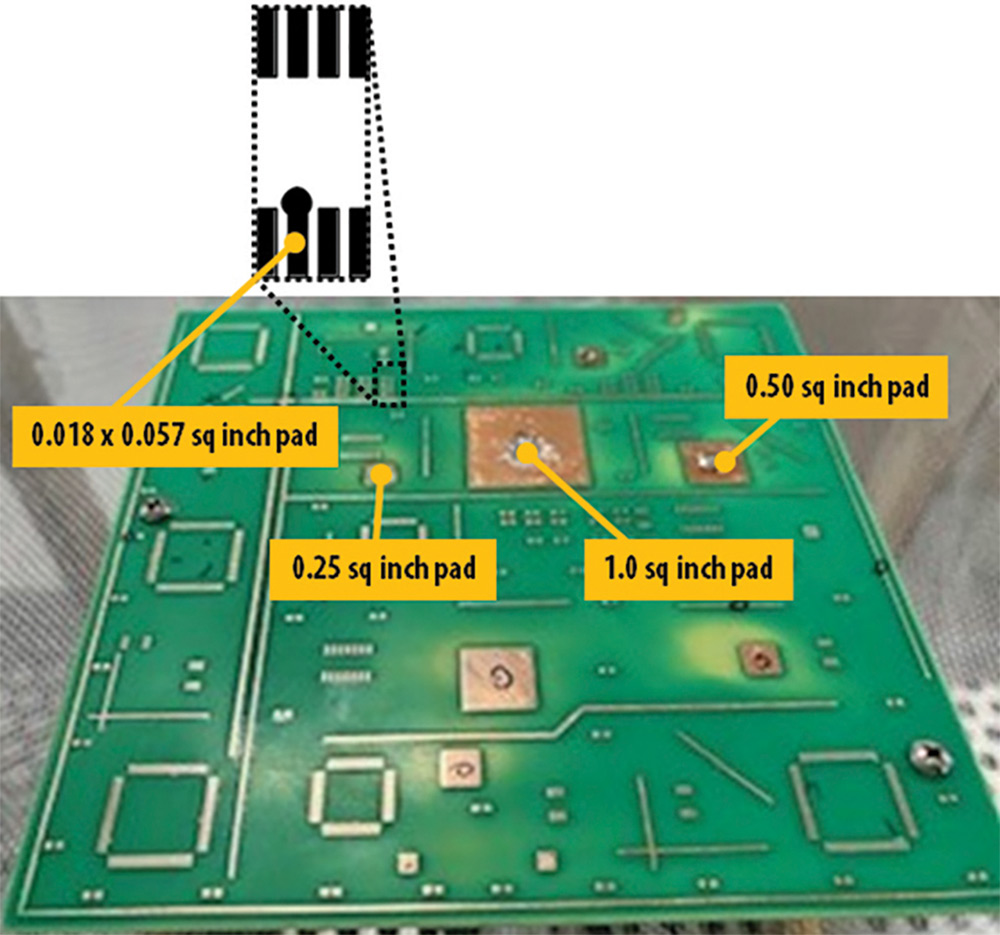
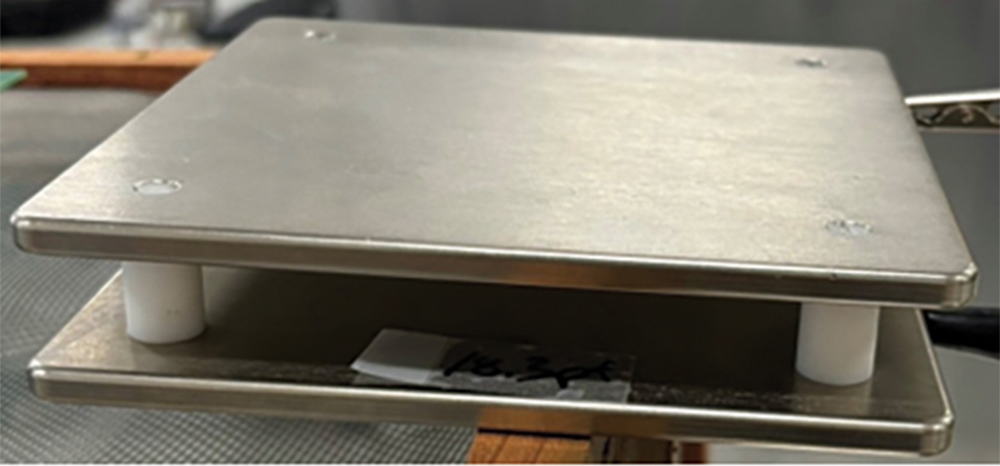


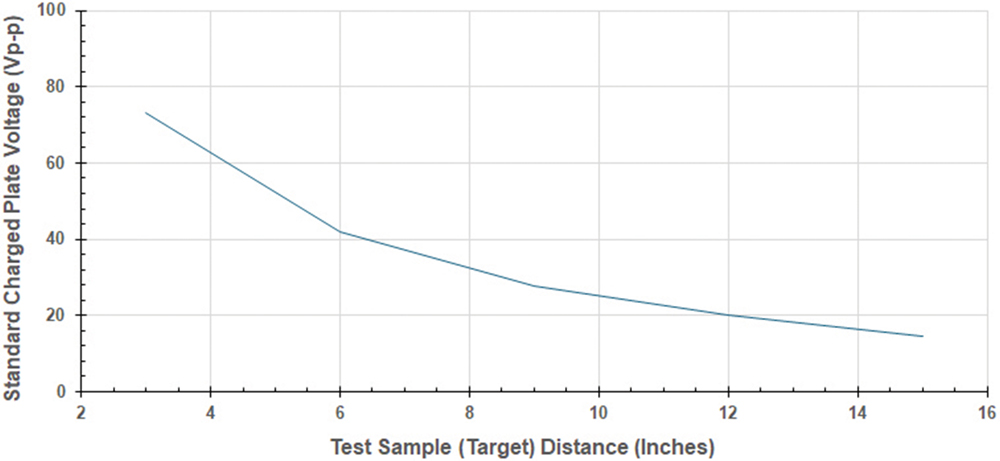
It is important to note that the frequencies generated by AC ionizers are in the range of tens of Hertz, with a median wavelength of about 5,000 km. The 5645 MP also includes a 20 kHz component with a wavelength of 15 km. This means at such wavelengths all objects within the ionizer’s range are subjected to the same instantaneous voltage at the same moment. Therefore, if we compare the voltage between two objects at equal distances from the ionizer, the voltage difference (differential voltage) will be zero or near zero. Since a significant differential voltage is required to trigger an ESD event, no event can occur when the differential voltage is zero.
In a microwave oven, any object within 6 cm experiences a significant differential voltage. In contrast, for a typical ionizer to generate a similar voltage difference, the object separation would need to be λ/2, or about 8 km (8000 meters). This is far from the case in semiconductor devices, where the separation is typically on the scale of nanometers (nm).
Third, what happens when a non-grounded object comes into contact with a semiconductor device under an operating ionizer? As the object approaches the device, it enters the same “zone of influence” created by the ionizer and experiences the same electric field as the device. This rapidly reduces the differential voltage between the object and the device to near zero, eliminating any threat to the device.

Additionally, placing a target too close to an ionizer, whether AC or DC, can increase the risk of negative effects, such as localized charge buildup, electrical stress, or minor material degradation. To avoid these issues and potential damage, it’s recommended to maintain a safe distance from the ionizer.
- “Introduction to RF Solid State Microwave Heating,” Slipstream Design.


Ed Oldynski holds a BS in Electrical Engineering from California State Polytechnic University at Pomona and BS in Industrial Technology from California State University at Long Beach. He is a Senior Electrical Engineer at Simco-Ion, Technology Group, holding this position for the last 25 years.