


ndependent testing laboratories become accredited under International Standards Organization ISO 17025, just as most manufacturers today accredit their organizations using ISO 9000-9001 or other applicable standards.
The third-party test lab accreditation program requires that a testing lab be evaluated by compliance auditors, a process that can take days, or even weeks, as auditors scrutinize every detail of every standard for which the test lab is seeking accreditation. The audit process involves observing every step of the testing and reporting process, and includes reviewing documentation, inspecting the test equipment and its calibration, questioning the test engineers, evaluating the facility itself, checking the current version of the software, as well as reading through minutes of managers’ meetings, training manuals and responses to customers inquiries. This rigorous review and inspection provide a thorough evaluation of the test lab’s systems and processes and helps to ensure that the quality of its evaluations meets the requirements of the applicable standards.
The process of obtaining accreditation is complex and challenging. However, test labs that have been accredited to ISO 17025 are most likely to provide their manufacturing customers with the highest-quality testing by knowledgeable and experienced test engineers. Test lab customers can also ask to see the test lab’s Certificate of Accreditation which can be thirty pages or longer as it lists each test in a standard for which the test lab has been accredited.
Secondly, certification provides manufacturing customers with assurances that their lab will provide the highest quality testing and reporting to the latest requirements of each appropriate standard for each country in which they sell their product.
Next, they make sure the accrediting body understands the scope of the audit they want, so they receive accreditation for standards in all the different types of industries they test for and in all the different countries they test for, and for all the different types of testing they do, such as EMC, FCC, ISED, environmental, wireless, and product safety. The number of standards that a test lab is accredited for determines how long the audit will take and how much it will cost.
Although the accreditation bodies’ processes vary somewhat, they all evaluate your lab on an annual basis according to the ISO Quality Standard 17025. However, accreditation bodies may differ in the scope of what they cover each year. For example, an accreditation body may give a very comprehensive evaluation every other year, which can take two full weeks or more, and on the odd years provide a surveillance audit consisting of a shorter spot-check taking around four days to complete, depending on whether or not you have scope updates or additions.
The test lab is normally not informed as to what details will be checked, so it must make sure that every section of its quality system is in perfect condition, which includes contracts review, quoting process, testing, calibration, reports, etc.
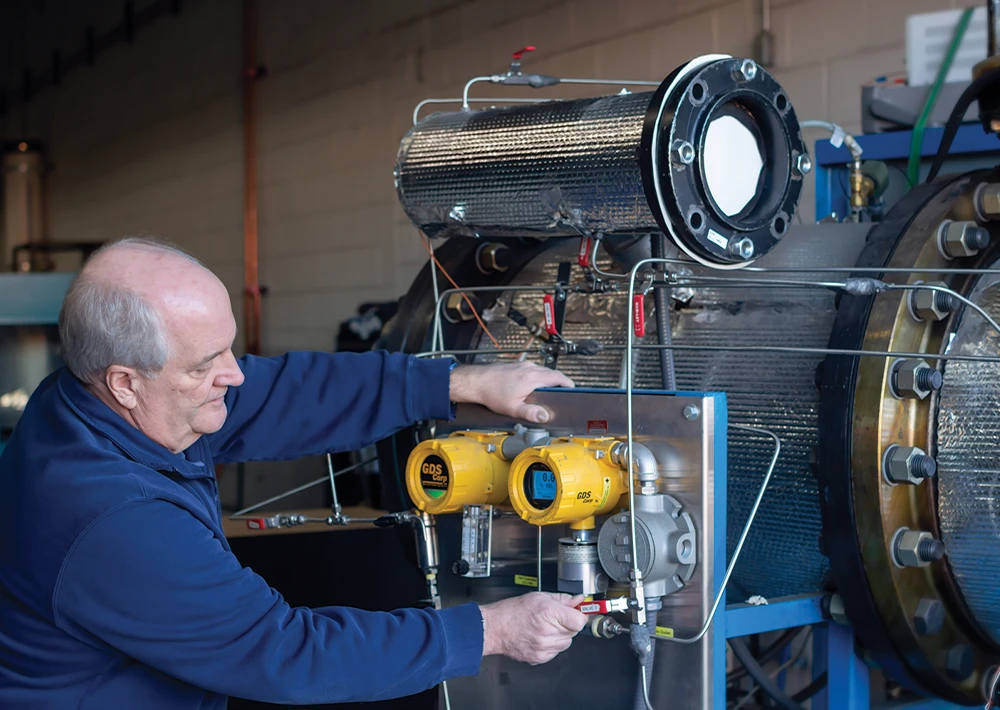
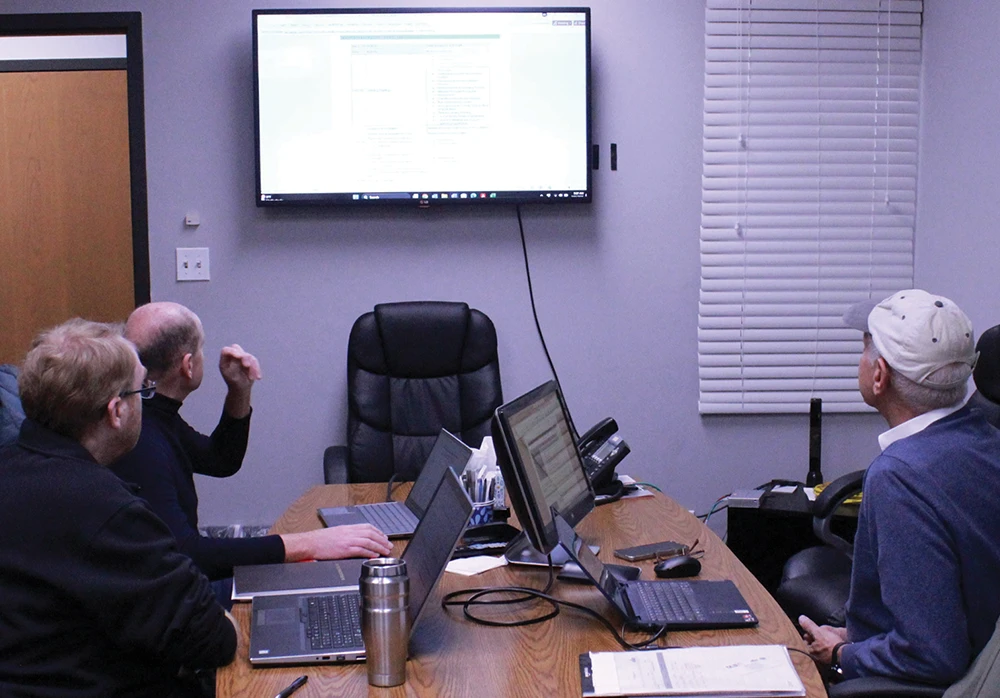
Auditors will also decide if the lab is adequately staffed for the type and volume of testing currently undertaken, and that the laboratory has the necessary competencies related to the fulfillment of ISO/IEC 17025:2017 requirements. The specific accreditation body may also have additional accreditation requirements. As you can see, no stone is left unturned. Every possible aspect of testing and reporting is scrutinized.
- Technically competent and well organized in their approach to testing for all the standards on their scope of accreditation; and
- Their management quality system is well-defined and is being implemented to ensure they follow ISO/IEC 17025:2017 requirements,