

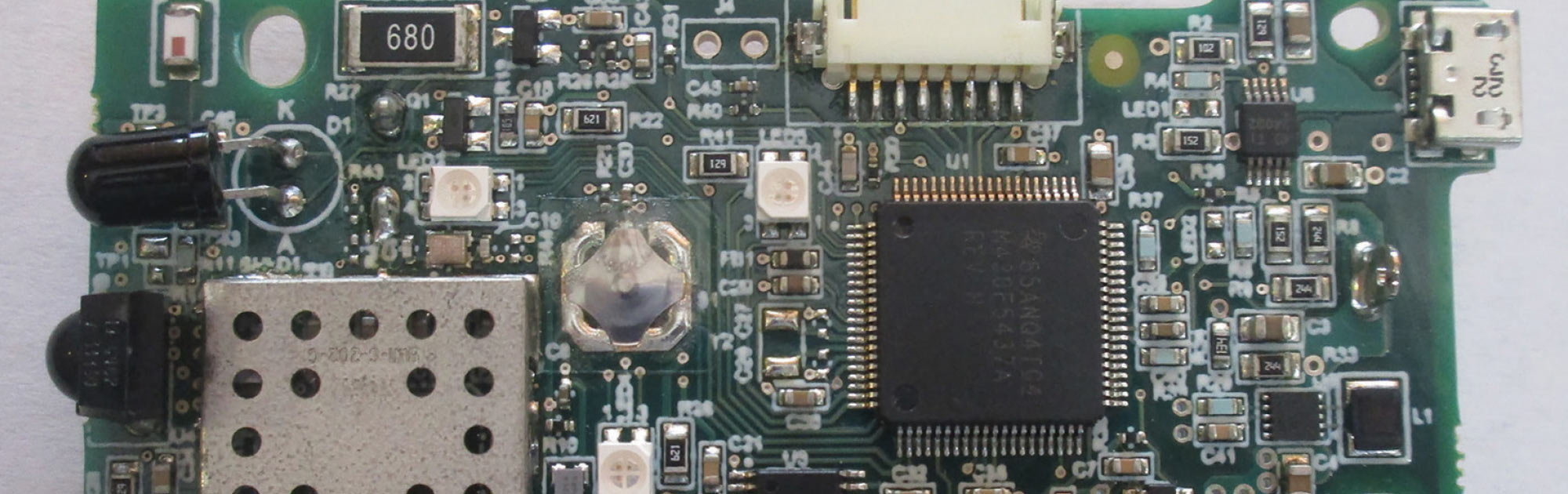
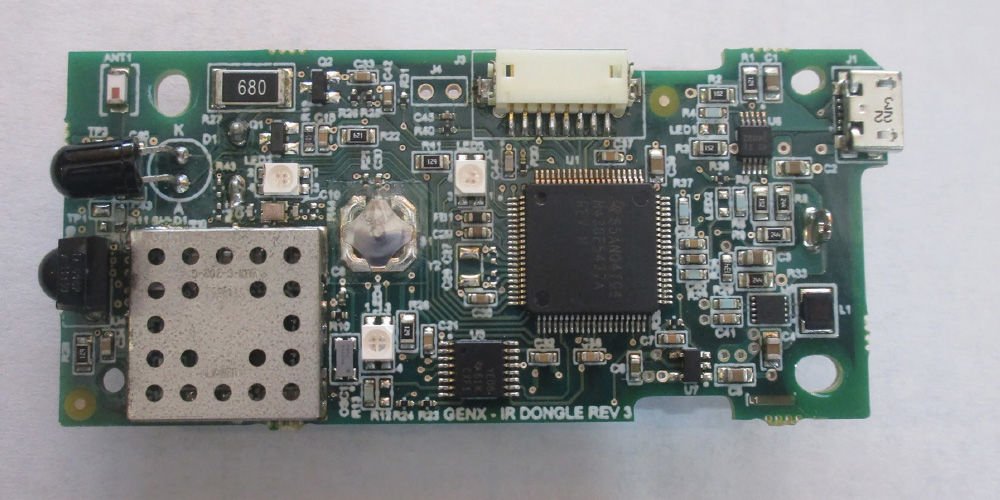
he use of pre-certified radio modules by product manufacturers has been growing in popularity. The process of designing a radio transceiver and meeting all the “Country Specific” regulatory requirements through extensive testing and documentation can be a long process. One of the many benefits of using a pre-certified radio module is that it significantly reduces both the cost of development and the time to market.
If used in accordance with the module’s Grant of Certification and integration instructions, it can limit the EMI/wireless testing to a minimal “spot-check” verification of the radiated emissions with the module installed in the host product. When performing this spot check, a certified test lab will only need to focus on the worst-case conditions from the original certification. Test engineers will be checking the band edges to ensure the product is not operating out of band and verifying that the harmonics from the transmitter are still compliant.

Most transmitters, whether Wi-Fi, BT, BLE, or any other wireless technology, require certification. Generally, there are two paths of certification for transmitters being used in a host device: “End-Product” approval or “Full-Modular” approval. The End-product approvals are used when a company designs their product with a transmitter that has not already been certified, or a transmitter that is their own proprietary design. In this case, they are certifying the entire product as a radio device and would therefore need to meet all applicable radio and EMC standards as a complete product.
Full-modular approval is typically used when a radio manufacturer develops a radio module that can be used in many different products. This allows product manufacturers to purchase this “Pre-Certified” radio module and incorporate it into their product, assuming they follow specific guidelines for integration. This type of certification has additional requirements beyond those required of standard approvals, such as shielding over the transmitter circuit and formal voltage regulation of the transmitter circuit.
Although modular certification testing is performed by the radio manufacturer with the module as a stand‑alone device, when installed in a host product, radiated emissions from the radio module can be influenced by the enclosure, circuit boards, and components near the module.
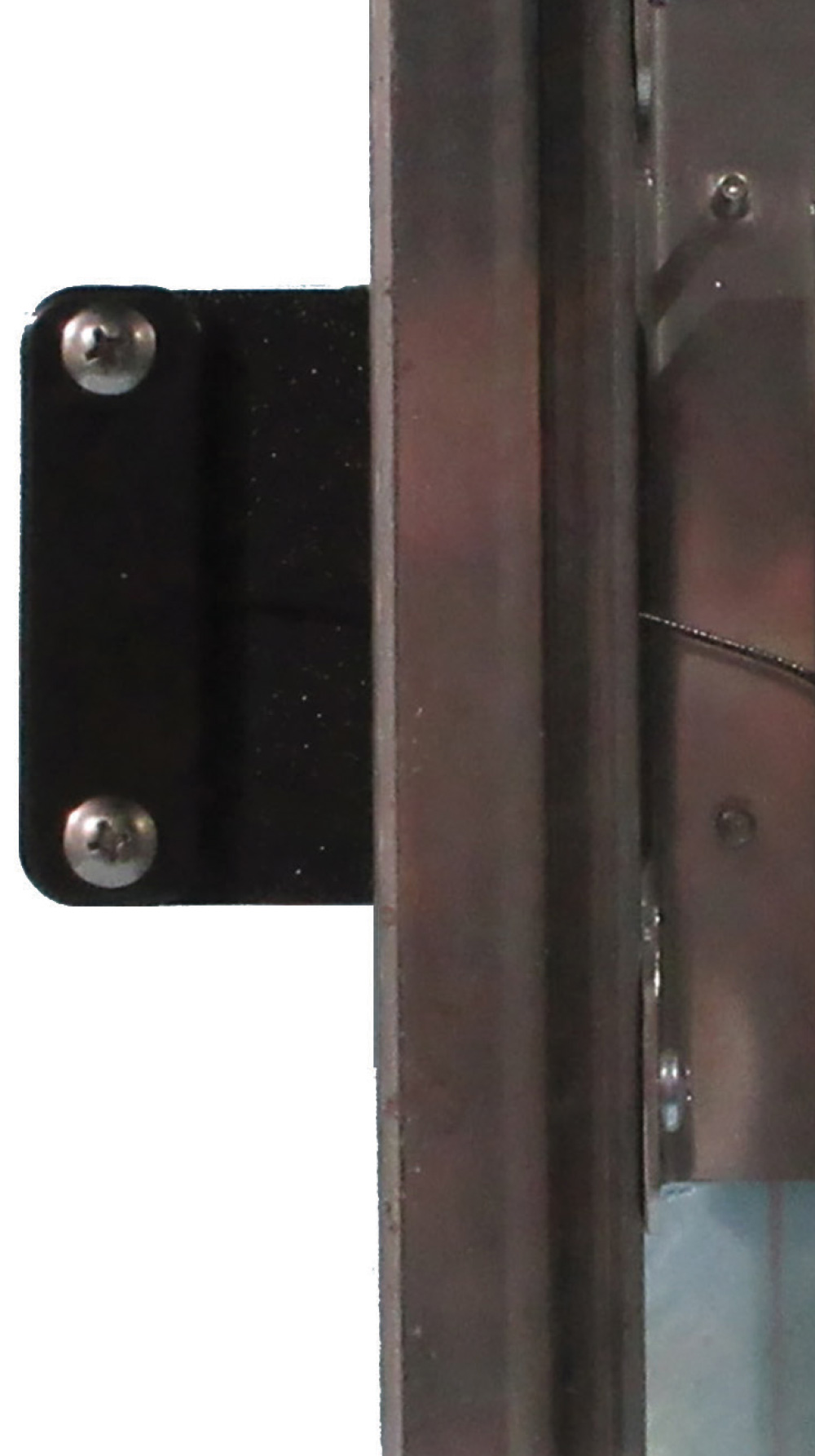
As an example, an electric appliance being tested in our lab was failing the spot check of the radiated spurious emissions coming from the transmitter. We were verifying that the harmonics of the intentional signal were still within limits after being incorporated into a host product. There was a Wi-Fi module installed in the back of the all-metal product, causing the antenna to be in close proximity to the metal cabinet. This created reflections that caused the harmonic emissions to be over the limit.
To resolve the issue, we worked with the customer to design several different mounting blocks out of composite plastic material to move the antenna further away from the metal enclosure. We ran several test configurations to determine the size of the antenna spacer that gave the best performance while still meeting the requirements of the standard.
The host device must always be verified for compliance with the radio standards with the module installed because interactions that can change the radiated emissions can occur from the host device to the module and from the module to the host device.
Interactions can occur from the host device to the module and from the module to the host device, which can change the radiated emissions.
- Labeling information that must be added to the host device;
- Minimum distances that must be maintained between the antenna and the end user; and
- The list of approved antennas that can be used.
The radio module manufacturer must also provide access to special test software to put the module into the test modes used to originally certify the module. They are required to work with the host manufacturer to ensure they have the capability to test for compliance and to mitigate any non-conformance issues that are directly related to the radio module.
Host manufacturers should look at module integration as an integral part of system design and consider conducting an early design review to ensure compliance and design compatibility. The implementation of a module should not be just a hardware selection. Things such as antenna placement, RF exposure requirements, and whether there will be multiple radios installed also need to be considered.
If the integration instructions cannot be followed, the product will need a more extensive level of testing to ensure compliance. Furthermore, they may need to file a Class 2 Permissive change with a telecommunications certification body (TCB), which would require approval from the module manufacturer. This would be necessary to certify the module with whatever deviations are made from the module’s original grant of certification. Once the host manufacturer has integrated the pre-certified module into their product, they are responsible for that module and must ensure their product remains compliant with all the applicable wireless and EMC standards.
This is achieved by reviewing the module’s certification test reports and looking for the test configurations that were shown to be worst-case with respect to the radiated emission limits. Those worst-case configurations are used to develop a test plan to verify compliance of the radio module after it has been installed in the host product. Most importantly, the host manufacturer needs to work with the module manufacturer to put the module into these test modes so that they can verify compliance through an independent test lab.
For guidance on how to integrate a pre-certified radio module into a host device, we recommend the following documents:
- For products intended to be sold in the United States, see the FCC’s Modular Transmitter Integration Guide: Guidance for host product manufacturers (FCC KDB 996369 D04 Module Integration Guide v02).1
- For products intended to be sold in Canada, see RSP-100 Issue 12: Certification of Radio Apparatus and Broadcasting Equipment, Section 8: Host/modular product requirement.2
- For products intended to be sold in Europe, see REDCA Technical Guidance Note 01 (REDCA TGN 01 V1.2a): RED compliance requirements for Radio Equipment often referred to as Radio Module and the Final Radio Equipment Product that integrates a Radio Module.3
- For assistance with developing a verification test plan for the required testing, check with your third-party test lab.
- The radio module’s Grant of Certification;
- The radio module’s integration instructions;
- The radio module’s test reports; and
- Special firmware provided by the module manufacturer.
The host manufacturer must obtain the firmware needed from the module manufacturer to place the module into the proper test modes. The host manufacturer will then work with the test lab to determine the worst-case test modes so the test lab can verify the module is still compliant after it has been installed in the host device. The host product manufacturer needs to understand that, even though the module was already certified, they assume all responsibility for continued compliance once they incorporate the module into their product.
- Modular Transmitter Integration Guide: Guidance for host product manufacturers (FCC KDB 996369 D04 Module Integration Guide v02).
- RSP-100 Issue 12: Certification of Radio Apparatus and Broadcasting Equipment, Section 8: Host/modular product requirements.
- REDCA Technical Guidance Note 01 (REDCA TGN 01 V1.2a): RED compliance requirements for Radio Equipment often referred to as Radio Module and the Final Radio Equipment Product that integrates a Radio Module.

Cory Bradshaw is Genoa City Site Manager and Senior EMC Test Engineer of D.L.S. Electronic Systems. He can be reached at cbradshaw@dlsemc.com.