

he most common system-level method for electrostatic discharge (ESD) testing is what is sometimes referred to as the Hand Metal Model (HMM). This ESD testing method is performed per familiar standards such as IEC 61000-4-2, DO-160, MIL-STD-461 CS118, etc. We’ve previously covered other important points about the HMM method of ESD testing under the Product Insight’s category of In Compliance Magazine (See References 1 through 4 for details).
To provide further in-depth coverage of ESD testing methods, in this article, we look at another type of ESD testing based on the “Human Body Model” (HBM) method of ESD testing.
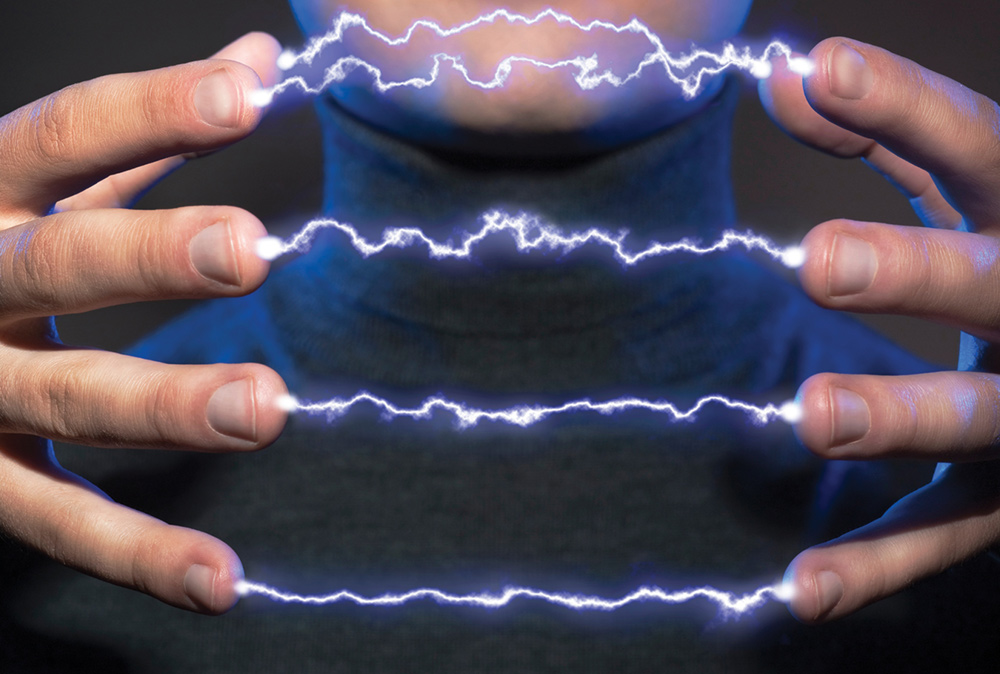
The joint ESDA/JEDEC HBM Standard JS-001-2010 merged the JEDEC HBM Standard, JESD22-A114F, and the ESDA HBM Standard, ANSI/ESD STM5.1-2007, into a single document.
ESDA/JEDEC Joint Technical Report JTR001-01-12 explains how to use the merged document to apply HBM tests to IC components.
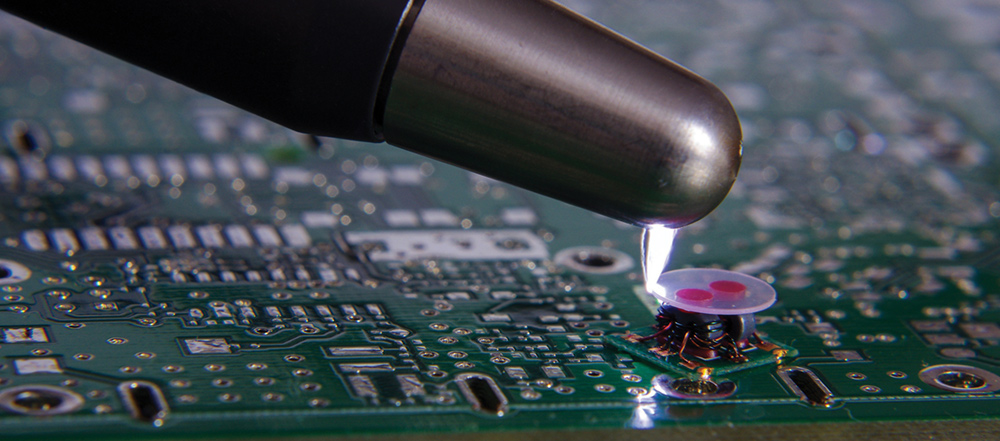
- “What Every Electronics Engineer Needs to Know About: ESD Simulators,” In Compliance Magazine, February 2018.
https://incompliancemag.com/article/esd-simulators - “Let’s Talk About Design for ESD Immunity,” In Compliance Magazine, February 2019.
https://incompliancemag.com/article/lets-talk-about-design-for-esd-immunity - “The Importance of Checking the Calibration of ESD Simulators,” In Compliance Magazine, February 2020.
https://incompliancemag.com/article/the-importance-of-checking-the-calibration-of-esd-simulator - “A Non-Typical Use for An ESD Simulator,” In Compliance Magazine, February 2021.
https://incompliancemag.com/article/a-non-typical-use-for-an-esd-simulator/ - “Overview of Equipment for Human Body Model ESD Testing,” ESD Guns.
https://www.youtube.com/watch?v=1fmvTMZYOfE