

n the world of electromagnetic compatibility (EMC) compliance, ensuring that electronic devices meet regulatory standards is paramount. A key component in achieving this compliance is the use of antennas, which are essential for testing and measuring electromagnetic emissions and susceptibility. This article explores the role of antennas in compliance testing, focusing on their construction and materials, setup and calibration, and maintenance and care. By understanding these critical aspects, engineers and technicians can ensure accurate and reliable measurements, ultimately leading to devices that perform optimally and comply with stringent regulatory requirements.
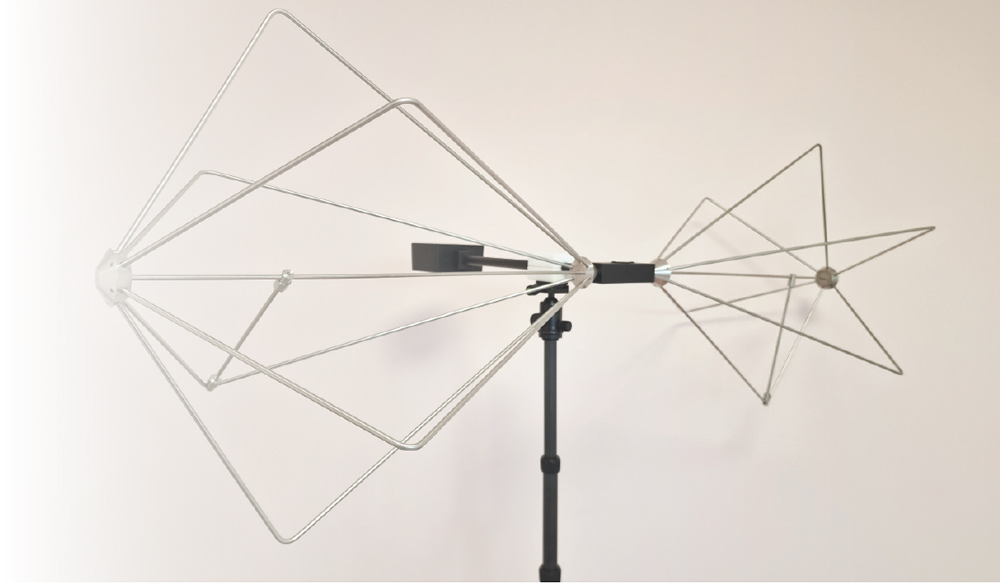
Biconical antennas, for instance, are commonly used in compliance testing due to their broadband capabilities. These antennas are typically made from high-conductivity materials like copper or aluminum to minimize signal loss and improve efficiency. The design of biconical antennas includes conical-shaped elements that provide a wide frequency range, typically from 20 MHz to several hundred MHz. Additionally, these antennas often feature an integrated balun (balanced to unbalanced) structure to match the impedance of the elements to the transmission line.
For radiated emission measurements, the calibration must follow specific standards, such as ANSI C63.4-2014 or CISPR 16-1-4, which define the procedures for determining antenna factors (AF). Calibration measures field strength at specified distances using standard test procedures.
- Emmanuel Ikimi, “Antenna Basics: Working Principle, Types, and Applications,” Maker Pro, February 28, 2020.
- A.H. Systems, “Biconical Antenna Selection for Compliance Testing.”
- Werner Schaefer, “Antenna Parameters and Antenna Calibration,” In Compliance Magazine, June 30, 2016.
- Doug Kramer, “Introduction to EMC Antenna Calibration Methods,” ETS-Lindgren, May 12, 2015.
- A.H. Systems, various application notes.