



In Compliance: The Compliance Information Resource for Electrical Engineers logo
Why the
Hazards of
Lithium-Ion Batteries
Require a Different Approach to Safety
Also in this issue
The Impact of Power Flow Analysis on an Electrical System

2.5D/3D Integration Challenges: Bare Die Testing

2027 Product Resource Guide
October 2026
Or continue scrolling for full digital issue
In Compliance logo
In Compliance Magazine
ISSN 1948-8254 (print)
ISSN 1948-8262 (online)
is published by

Same Page Publishing Inc.
451 King Street, #458
Littleton, MA 01460
tel: (978) 486-4684
fax: (978) 486-4691

© Copyright 2026 Same Page Publishing, Inc. all rights reserved

Contents may not be reproduced in any form without the prior consent of the publisher. While every attempt is made to provide accurate information, neither the publisher nor the authors accept any liability for errors or omissions.

publisher/
editor-in-chief
Lorie Nichols
lorie.nichols@incompliancemag.com
(978) 873-7777
business development director
Sharon Smith
sharon.smith@incompliancemag.com
(978) 873-7722
production director
Erin C. Feeney
erin.feeney@incompliancemag.com
(978) 873-7756
marketing director
Ashleigh O’Connor
ashleigh.oconnor@incompliancemag.com
(978) 873-7788
circulation director
Alexis Evangelous
alexis.evangelous@incompliancemag.com
(978) 486-4684
features editor
William von Achen
bill.vonachen@incompliancemag.com
(978) 486-4684
senior contributors
Ken Javor
Kenneth Ross
Christopher Semanson
Min Zhang
advertising
For information about advertising, contact Sharon Smith at sharon.smith@incompliancemag.com.
subscriptions
In Compliance Magazine subscriptions are free to qualified subscribers in North America. Subscriptions outside North America are $149 for 12 issues. The digital edition is free.

Please contact our circulation department at circulation@incompliancemag.com

October 2026
Volume 18 l Number 10
Contents
Feature Articles
Why the Hazards of Lithium-Ion Batteries Require a Different Approach to Safety

Understanding Thermal Runaway to Build Safer Battery Energy Storage Systems
By Bruce Johnson and LaTanya Schwalb
The Impact of Power Flow Analysis on an Electrical System

Why Constant‑Power Loads Break Linear Models
By Nicholas Ingarra, Ph.D., P.E.
Hot Topics in ESD
By Nathaniel Peachey and Brett Carn on behalf of EOS/ESD Association, Inc.
SPECIAL COVERAGE
2027 Product Resource Guide

Finding the right products to meet your compliance requirements can be challenging. This special issue highlights eight product categories, with guidance on choosing and using the right products and services for your applications.
Departments
Thank you to our Premium Digital Partner
A.H. Systems logo
Compliance News
FCC Takes Action Against Unlawful Drones
The U.S. Federal Communications Commission (FCC) is taking action to revoke a prior equipment authorization, alleging that the company made false statements and/or representations regarding the place of production for its uncrewed aircraft systems (UASs).

The company, Odyssey Robot LLC, currently holds equipment authorizations for a UAS model and accompanying remote controller. However, researchers have claimed that Odyssey “provided materially false attestations…

10-Year-Old Receives Amateur Radio License
In what may be a historic achievement, a 10-year-old boy from Arizona has recently been awarded his amateur radio license after passing the Technician class license exam.

According to an article posted to the website of the ARRL, the U.S. Federal Communications Commission (FCC) has now issued call sign KM7HFU to Reynaldo Mangual, who lives in Pinal County, Arizona. Mangual is a member of the Pinal County 4-H Amateur Radio Club and is now…

White electric car engulfed in bright flames inside a dimly lit concrete parking garage.
Why the Hazards of Lithium-Ion Batteries Require a Different Approach to Safety
Understanding Thermal Runaway to Build Safer Battery Energy Storage Systems
By Bruce Johnson and LaTanya Schwalb
Editor’s Note: The following article is based on the FDNY Plenary Session, “Considerations for promoting the safe utilization of various lithium-ion battery technologies in the advancement of public policy initiatives in today’s world,” presented at ISPCE 2026 in May 2026.

L

ithium-ion batteries have become so common that they are easy to take for granted. They power phones, laptops, tools, e-bikes, and electric vehicles, and are associated with convenience and portability. That familiarity makes it easy to overlook the amount of energy these batteries store and how quickly that energy can be released when something goes wrong.

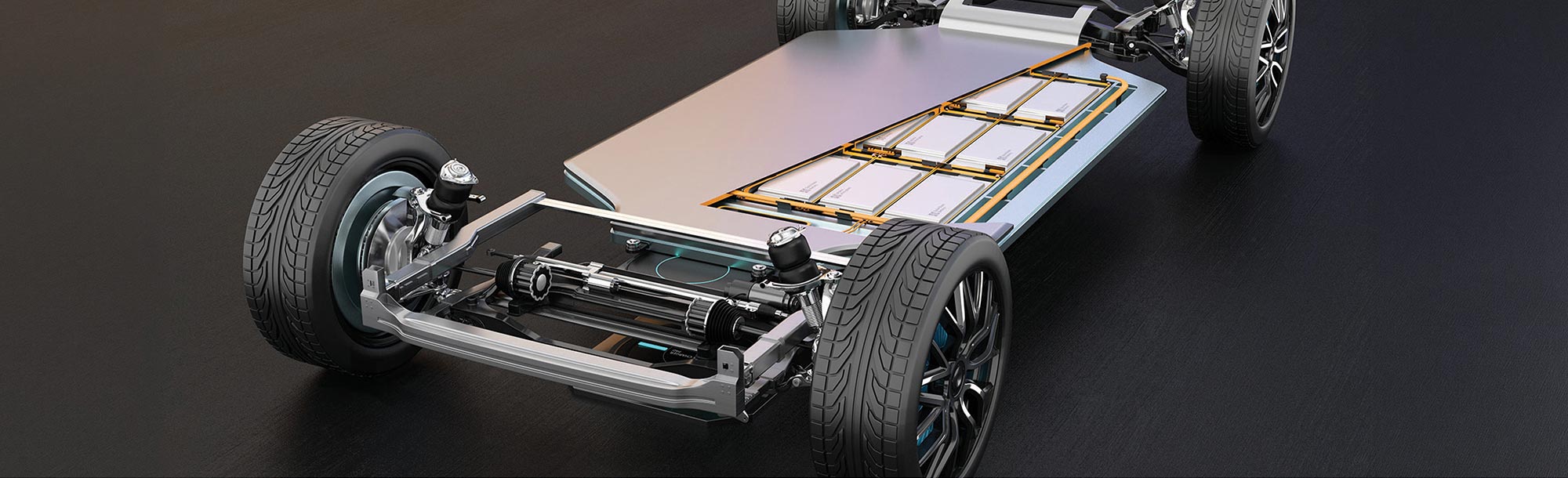
3D cutaway illustration of an electric vehicle skateboard chassis, showing wheels, suspension, drivetrain, and integrated battery pack modules.
The Impact of Power Flow Analysis on an Electrical System
Why Constant‑Power Loads Break Linear Models
By Nicholas Ingarra, Ph.D., P.E.
T

he behavior of an alternating current (AC) system impacts the sizing of the battery, and this will result in an undersized battery. If this behavior isn’t properly modeled, it can lead to higher heat generation in electrical components, and the system performance will be limited. The holistic testing approach detailed in this article uses present testing models to analyze electrical power systems, including chemical, mechanical, and electrical engineering techniques.

Under constant power loads, a battery cannot provide constant voltage, and the inverter must compensate with the only variable it can control, that is, DC current. The inverter must fulfill the voltage and current request from the load. The goal is to analyze the power flow through an electric drivetrain to evaluate how input voltage impacts the system’s performance. Our testing results indicate a new modeling approach is needed in which the battery is co-modeled with the electrical system, and the system is modeled in the power domain.

A person in a red sweater types on a laptop at a desk with notebooks and a glass of pens, set in a blurred library background.
Technical
Library
The Technical Library is curated with resources designed to provide insights and in‑depth information helping you to solve important challenges in the workplace.
White Paper
The Future of Cable Testing: Why Intelligent Automation Is Replacing Manual Validation
offered by

Vitrek logo

Explore how intelligent automation is transforming cable and harness testing. This white paper examines the limitations of manual validation and explains how automated high‑voltage testing, multi-point switching, guided workflows, and digital traceability can improve throughput, repeatability, quality, and compliance while supporting increasingly complex cable assemblies and production requirements.
Video Q&A
Soft Magnetics, Hard Topics
offered by

Fair-Rite logo

In this episode of “Soft Magnetics, Hard Topics,” Mike and Bridget answer common Ask the Advisor questions about Ferrite Snap-It™ products. Learn how to choose the right Snap-It™, how ferrite cores reduce EMI, and ways to secure ferrites to cables or housings. Whether you’re chasing a failed EMI test or building suppression in from the start, this episode covers matching Snap-It™ size to your cable, why ferrite cores work, and mounting methods that hold up.
White Paper
Overcoming Galvanic Compatibility Challenges in EMI Shielding
offered by

TE Connectivity logo

Learn how galvanic corrosion impacts EMI shielding systems, degrades electrical performance, and reduces product reliability in harsh environments. Discover practical material selection and corrosion-mitigation strategies, plus insights from ASTM B117 salt-fog testing that compare passivation finishes, gasket materials, and metallic components to improve long-term shielding performance and durability.
 
Hot Topics in ESD
2.5D/3D Integration Challenges: Bare Die Testing
By Nathaniel Peachey and Brett Carn on behalf of EOS/ESD Association, Inc.
T

he semiconductor industry’s relentless pursuit of higher performance, smaller footprints, and greater functional density has brought 2.5D/3D heterogeneous integration firmly into the mainstream of IC manufacturing. However, along with these advancements, there are significant hurdles to be overcome, not the least of which is electrostatic discharge (ESD) challenges. Chiplets need to be evaluated for ESD robustness prior to being assembled into a 2.5D or 3D module to verify that they can survive even the low-level ESD voltages inherent in the 2.5D/3D integration process. However, particularly for the finer geometry chiplets, the industry’s existing qualification testing techniques are simply not able to measure their withstand capabilities.
Charged Device Model (CDM) Testing of Chiplets
Earlier this year, InCompliance Magazine published a three-part series by Kathleen Muhonen and colleagues from the EOS/ESD Association titled Small Form Factor CDM Testing [1, 2, 3]. That series detailed why the conventional field-induced charged device model (FICDM) tester with its pogo-pin probe and reliance on spark discharge struggles profoundly when confronted with the microscopic pad geometries and ultra-low withstand voltages characteristic of today’s bare die and chiplet products. This article takes the next step. Building on that foundation, it applies those testing challenges specifically to the world of 3D heterogeneous integration.
2027
Product
Resource
Guide
2027 Product Resource Guide
Finding the right products to meet your unique compliance requirements can be challenging. Several factors shape that decision.

In this special issue, we highlight eight product categories and offer guidance on choosing and using the right products and services for your applications.

Don MacArthur headshot
Contributing Author
Don MacArthur

“The Practical Engineer”

Don MacArthur, known as “The Practical Engineer,” is a Guest Contributor to In Compliance Magazine with over 30 years of experience in robust design, measurement systems, EMC/ESD and safety engineering, and reliability. He has worked across defense, industrial, and critical‑infrastructure technologies, helping teams understand system behavior, failure modes, and measurement validity. Don specializes in making complex engineering concepts accessible, turning physics, standards, and real‑world performance requirements into practical guidance that strengthens immunity, improves durability, and supports mission‑profile reliability.
Absorbing Materials
Selecting the Right Absorbing Materials
Amplifiers
RF Amplifiers and Their Role in Ensuring Compliance
Antennas
A Practical Guide to Choosing the Right Antenna
Chambers
Design Considerations for EMC Test Chambers
Components
Navigating UL 810A: Electrochemical Capacitor Compliance
ESD Simulators
Designing for ESD Immunity: Insights from Compliance Testing
Filters
Case Studies and Real-World Applications of EMI Filters
Test Services
Why Testing Laboratories Need to Meet Global Standards
For Your Next Project
Absorbing Materials
Selecting the Right Absorbing Materials
By Don MacArthur
I

n compliance testing, EMI absorbing materials play a pivotal role in mitigating electromagnetic interference (EMI) and ensuring the reliability of electronic devices. These materials are designed to absorb and dissipate electromagnetic energy, preventing reflection, resonance, and interference in sensitive environments. The selection of the right absorbing material is critical for achieving accurate test results and meeting regulatory standards. This guide explores key factors in choosing absorbing materials, including absorption properties, frequency range, and environmental durability, while highlighting examples such as ferrites and polyurethane foam, two of the most widely used RF absorbing materials in compliance environments.

Key Factors in Selecting Absorbing Materials for Compliance Testing
Selecting an absorbing material requires a thorough understanding of the application and the environment in which it will be used.
Amplifiers
RF Amplifiers and Their Role in Ensuring Compliance
By Don MacArthur
E

lectromagnetic compatibility (EMC) testing is a crucial process that ensures electronic devices can operate without causing or being affected by electromagnetic interference (EMI). At the heart of this testing process lies the RF amplifier, a pivotal component that enables the generation of precise electromagnetic fields required for compliance testing. This article examines the vital role of RF amplifiers in EMC testing, highlighting their importance in generating field strengths, minimizing harmonic emissions, and ensuring reliable operation during compliance tests.

The Role of RF Amplifiers in EMC Testing
RF amplifiers are specialized devices designed to amplify radio frequency signals to the levels necessary for EMC testing. Their primary functions include…
Antennas
A Practical Guide to Choosing the Right Antenna
By Don MacArthur
C

ompliance testing is an essential phase in the development and certification process of electronic products. Whether evaluating electromagnetic compatibility (EMC), radio frequency (RF) performance, or signal integrity, antennas play a pivotal role in facilitating accurate and efficient testing. Selecting the right antenna for compliance testing is critical, as it ensures reliable measurement results and adherence to regulatory standards.

This practical guide explores the key factors to consider when selecting antennas for compliance testing, with examples of commonly used types, including log-periodic, dipole, and horn antennas.

Chambers
Design Considerations for EMC Test Chambers
By Don MacArthur
E

lectromagnetic compatibility (EMC) test chambers are critical facilities where electronic devices are tested for their ability to function properly without emitting or being affected by electromagnetic interference (EMI). Designing an EMC test chamber requires careful consideration of several factors to ensure accurate and reliable testing. This article examines the primary design considerations for EMC test chambers, with a focus on material selection, chamber size, and configuration.

Material Selection
The materials used in the construction of EMC test chambers play a pivotal role in their performance. The primary materials to consider are RF absorbers and shielding materials.
Components
Navigating UL 810A: Electrochemical Capacitor Compliance
By Don MacArthur
E

lectrochemical capacitors, commonly known as supercapacitors or ultracapacitors, are pivotal components in modern electronics, offering high energy storage capabilities and rapid charge‑discharge cycles. As their use expands in applications ranging from automotive systems to renewable energy solutions, ensuring their compliance with safety standards is increasingly critical. UL 810A, the definitive safety standard for electrochemical capacitors, serves as a benchmark for evaluating product safety and reliability. This guide explores the key aspects of UL 810A compliance, emphasizing the requirements, testing procedures, and benefits of adhering to this standard, and provides clarity on the core requirements.

Understanding UL 810A
UL 810A is an electrochemical capacitor safety standard developed by Underwriters Laboratories to address the risks associated with electrochemical capacitors. It defines the testing and performance requirements necessary to mitigate safety concerns, such as thermal runaway, electrolyte leakage, and electrical faults. Compliance with UL 810A ensures that electrochemical capacitors are safe for use and meet industry expectations for quality and reliability.
ESD Simulators
Designing for ESD Immunity: Insights from Compliance Testing
By Don MacArthur
E

lectrostatic discharge (ESD) is a pervasive challenge in the design and development of electronic products. It can cause malfunctions, data corruption, or even permanent damage to sensitive components. To mitigate these risks, engineers rely on ESD simulators during compliance testing to evaluate and enhance the immunity of their designs.

This article explores the role of ESD simulators in improving product resilience, highlights common design flaws revealed during testing, and provides actionable strategies to address these issues—key considerations for achieving ESD immunity, EMC compliance, and long‑term product reliability.

Filters
Case Studies and Real-World Applications of EMI Filters
By Don MacArthur
E

lectromagnetic interference (EMI) can disrupt the performance and functionality of electronic devices, leading to potential safety hazards and reliability issues. EMI filters are essential components that help mitigate these interferences by blocking unwanted electromagnetic noise. This article delves into real-world applications of EMI filters in consumer electronics, automotive systems, and industrial equipment, highlighting their significance and effectiveness in ensuring smooth and reliable operation.

Consumer Electronics
In the realm of consumer electronics, EMI filters play a crucial role in maintaining the performance and safety of devices such as smartphones and laptops. These devices are often packed with high-density circuitry and operate at high frequencies, making them susceptible to electromagnetic interference from various sources.
Test Services
Why Testing Laboratories Need to Meet Global Standards
By Don MacArthur
I

n today’s interconnected world, compliance testing plays a vital role in ensuring the quality and reliability of products and services across industries. Accredited testing laboratories serve as a cornerstone for maintaining standards, fostering trust, and delivering consistent, accurate results. Among the global accreditation standards, ISO/IEC 17025 is the most recognized and widely implemented benchmark for testing and calibration laboratories. This article explores the importance of laboratory accreditation to standards such as ISO/IEC 17025, and explains how it enhances consistency, accuracy, and trustworthiness in compliance testing.
What is Laboratory Accreditation?
Laboratory accreditation is the formal recognition by an authoritative body that a laboratory operates in accordance with predefined standards. These standards define the technical competence, quality management systems, and processes required for reliable testing and calibration. ISO/IEC 17025 is one such standard, applicable to laboratories performing testing or calibration activities.
Product
Marketplace
A curated collection of innovative solutions from key industry suppliers. Find the right fit for your projects.
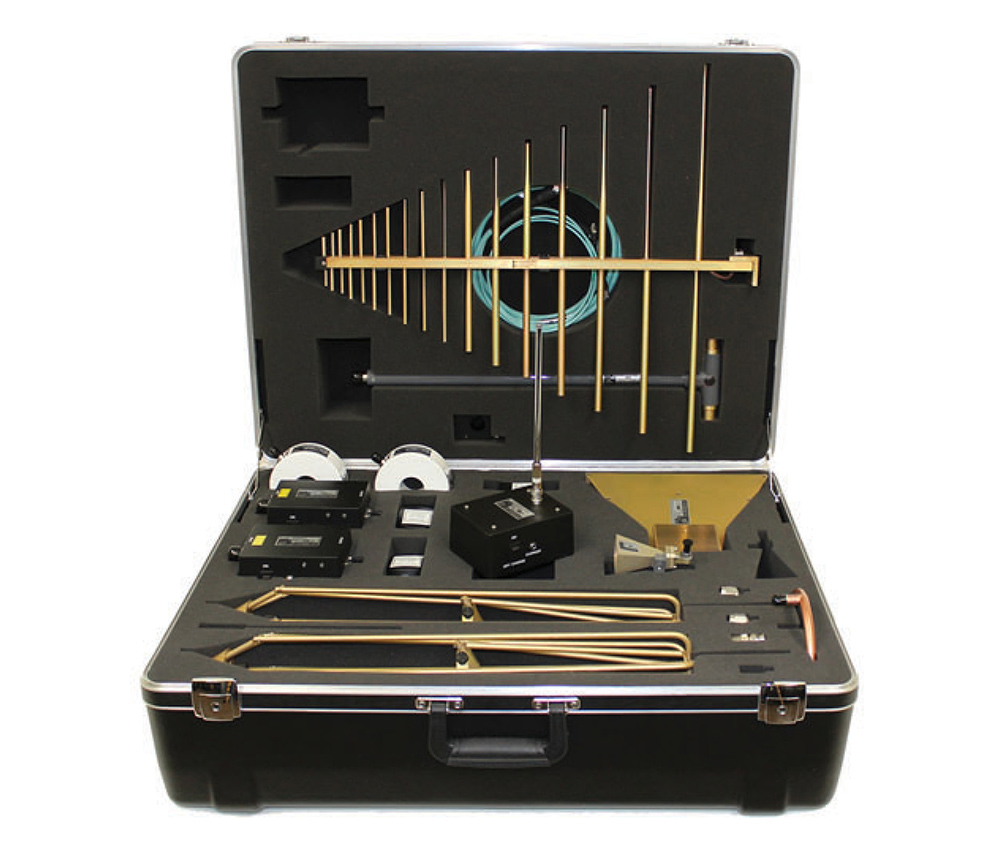
Open hardshell case containing various test antennas and RF measurement equipment organized in foam.
A.H. Systems’ AK-40G Portable Antenna Kit
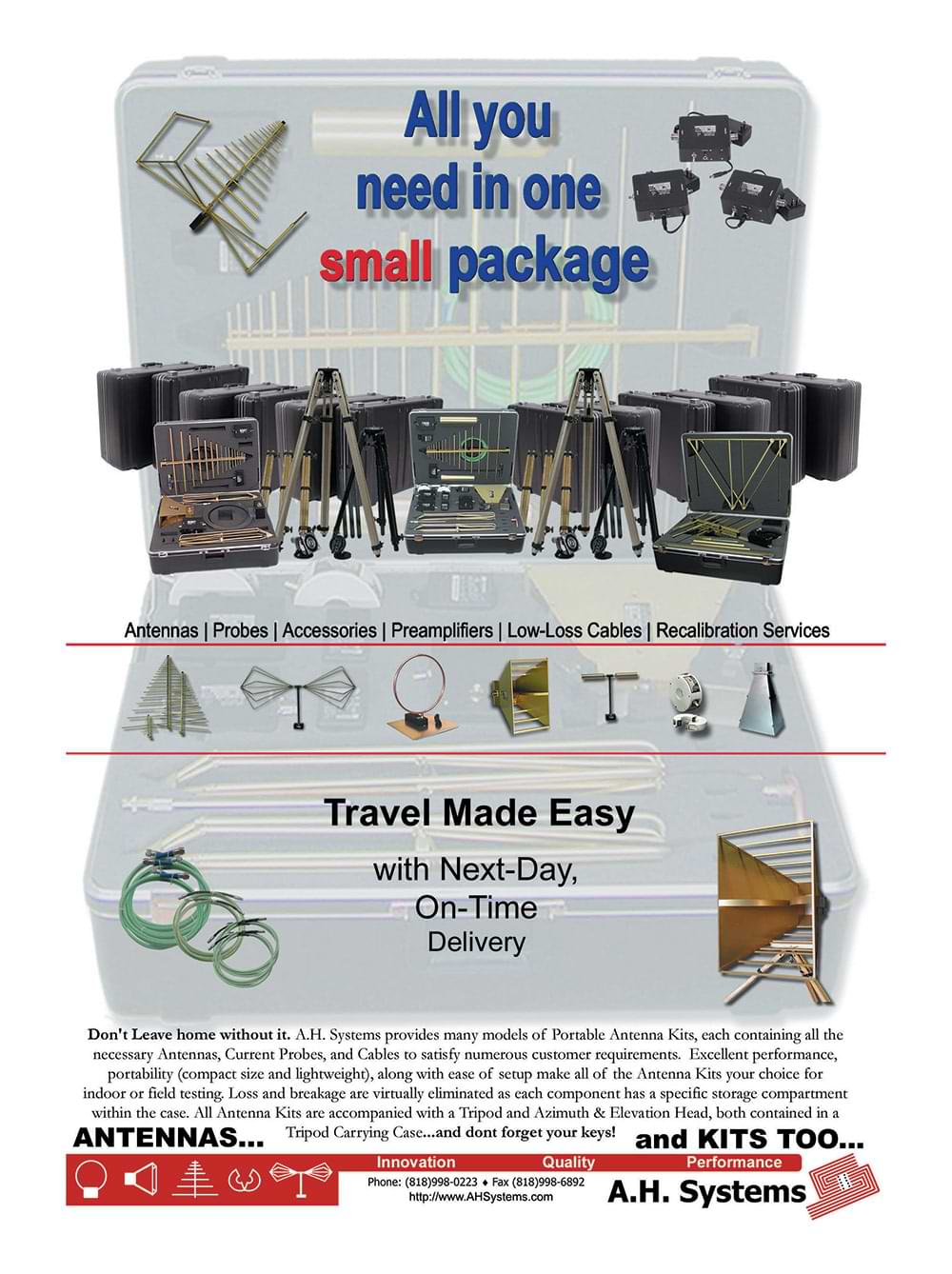
A.H. Systems’ AK-40G Portable Antenna Kit provides excellent performance and the broadest frequency coverage in a single, grab-and-go carrying case. Ideal for daily field-testing, this compact and lightweight package includes all the reliable antennas, current probes, and low-loss cables needed to fulfill diverse customer compliance requirements. The kit also features a tripod equipped with an azimuth and elevation head for precise antenna positioning, alongside a dedicated tripod carrying case. Explore our complete lineup of other specialized testing kits on the website https://www.ahsystems.com.
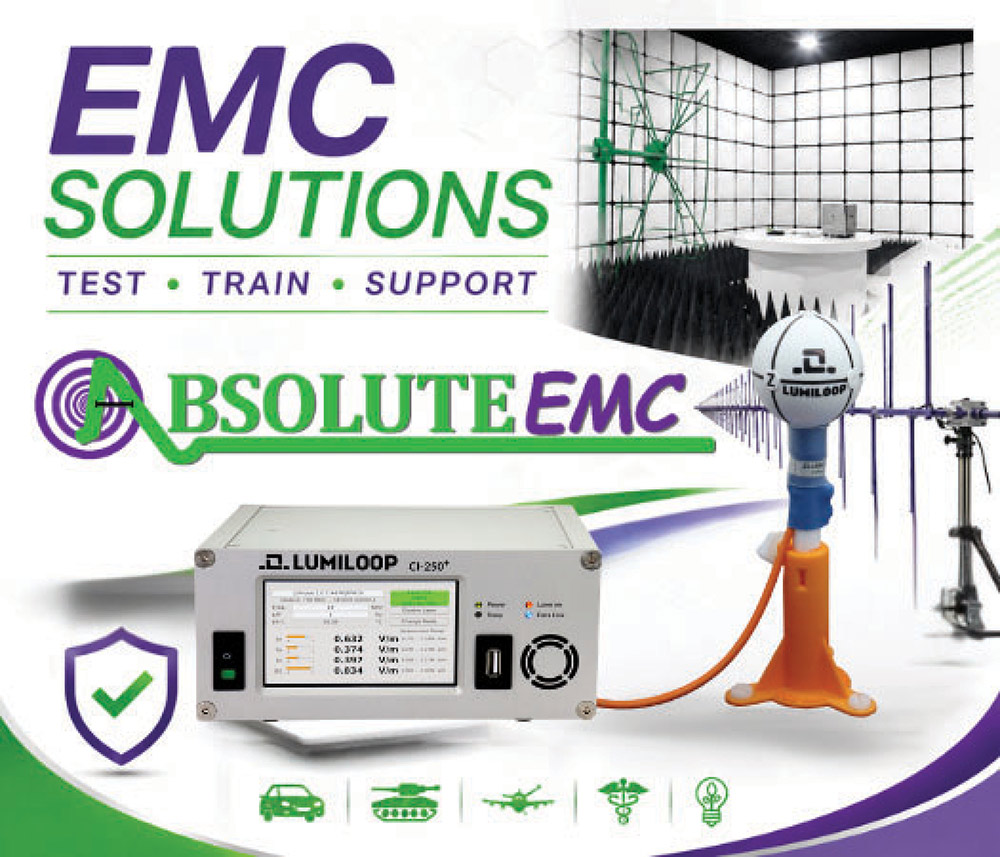
Promotional graphic for Absolute EMC displaying a Lumiloop measurement system, probe, and anechoic chamber.
EMC Solutions, Start to Finish
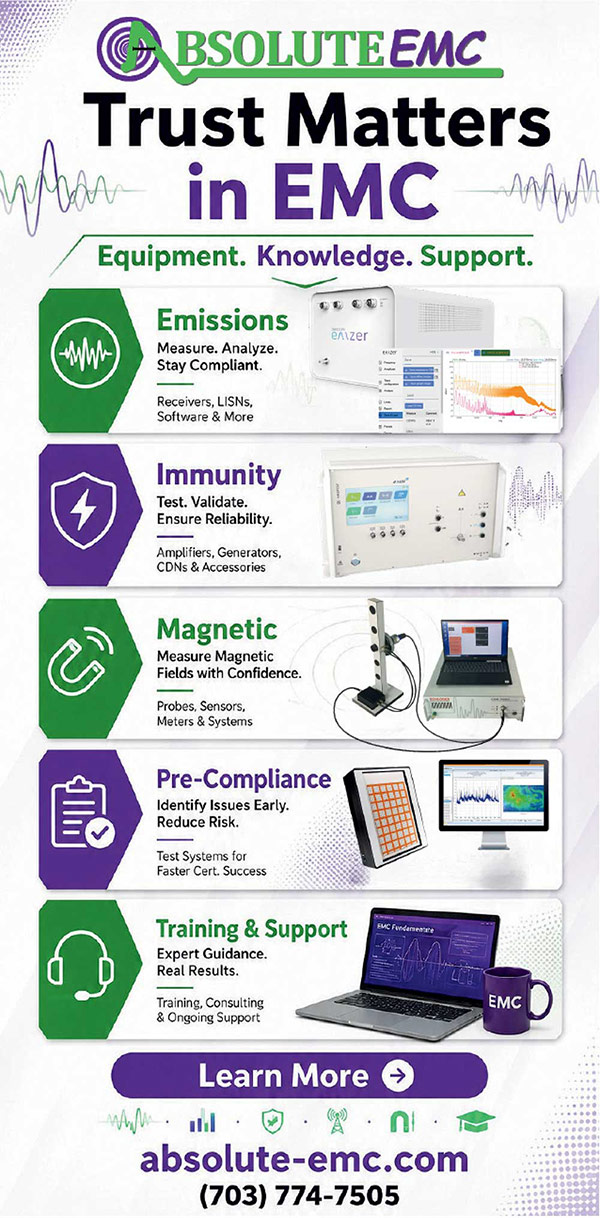
Absolute EMC is your North American source for EMC knowledge, equipment, systems, and support. From development and pre-compliance through full compliance, we help engineers solve real test challenges with the right technology, expert guidance, training, integration, and long-term support. With leading global partners and decades of EMC experience, we deliver practical solutions that improve confidence, reduce test time, and help you achieve compliance faster.
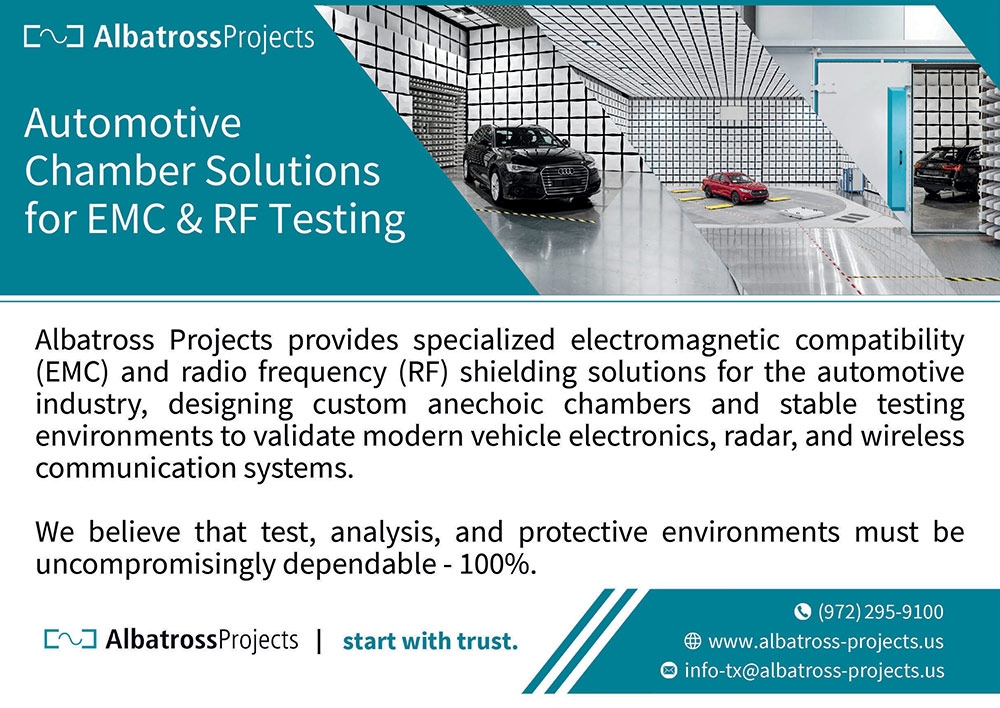
A cross-section view of a large semi-anechoic or anechoic chamber used for EMC testing, showing a car inside with a chassis dynamometer.
Tell Us What You Need. We’ll Have the Solution.
Albatross Projects is a leading global OEM manufacturer of anechoic chambers and shielded rooms for EMC, antenna testing, and high-frequency applications. We design and build test environments that verify electromagnetic compatibility and antenna performance to national and international standards. Offerings include EMC chambers, wireless chambers for mmWave, 5G, Wi-Fi, and Bluetooth, RF shielded enclosures, antenna performance chambers, chamber relocation and modification services, pyramidal anechoic absorbers, and RF chamber components.
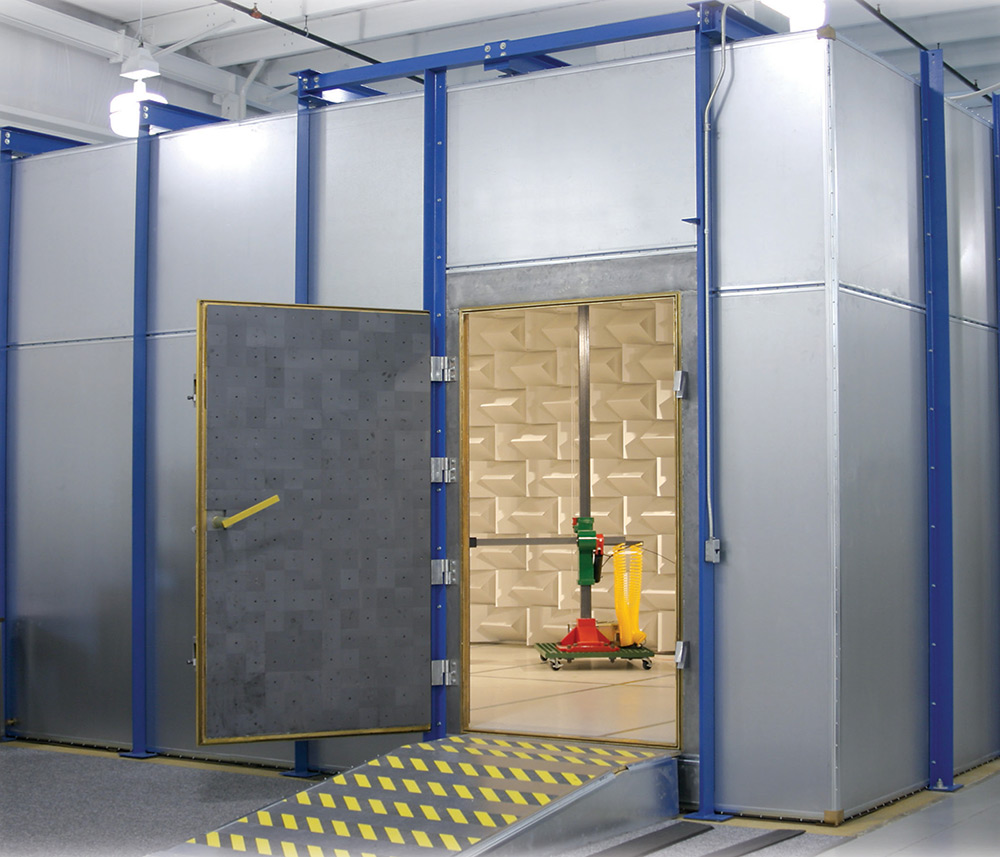
Open RF-shielded door leading into an anechoic test chamber with wall absorber panels.
Precision Built Shield Rooms and Test Chambers
Braden Shielding Systems has led the RF and magnetic shielding industry since 1986, delivering over 10,000 shielded enclosures and RF/anechoic chambers worldwide. From medical imaging suites to commercial and defense applications, Braden combines precise design, in-house fabrication, and turnkey installation with uncompromising quality control. Trusted by leading medical institutions, defense contractors, and government agencies, Braden delivers accurate, reliable, on-time service for the most demanding requirements.
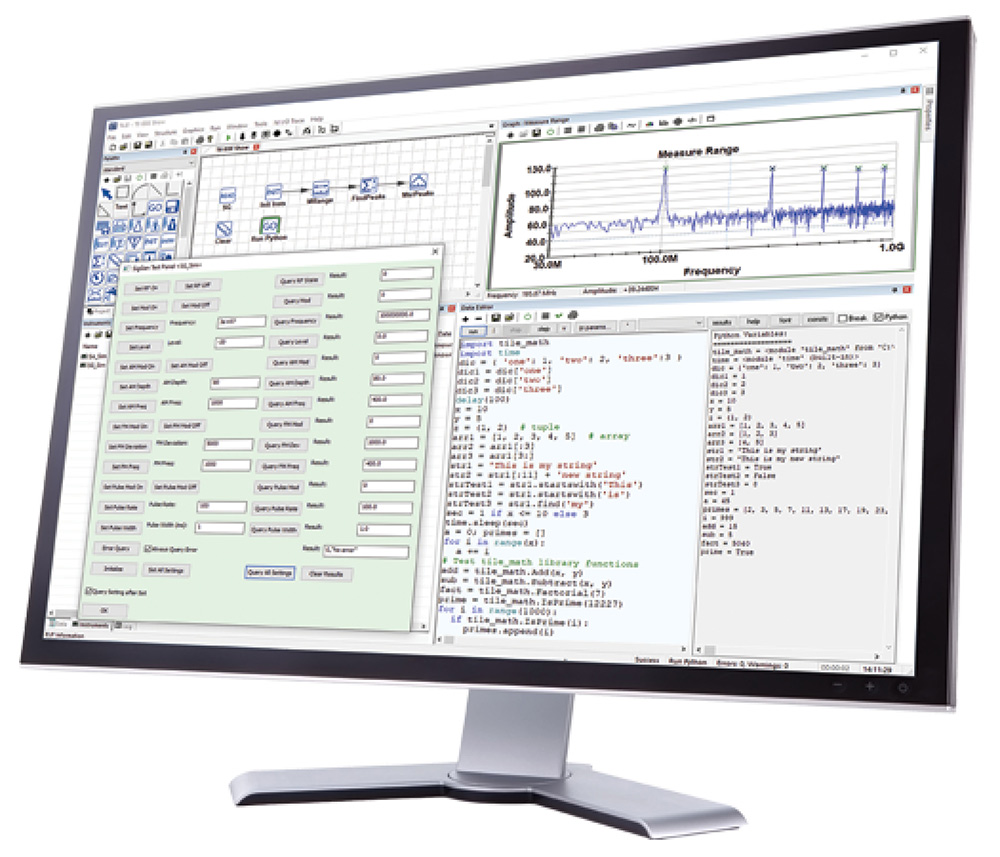
Computer monitor displaying measurement software interface with frequency graphs and code panels.
Smarter Automation for the Modern Lab
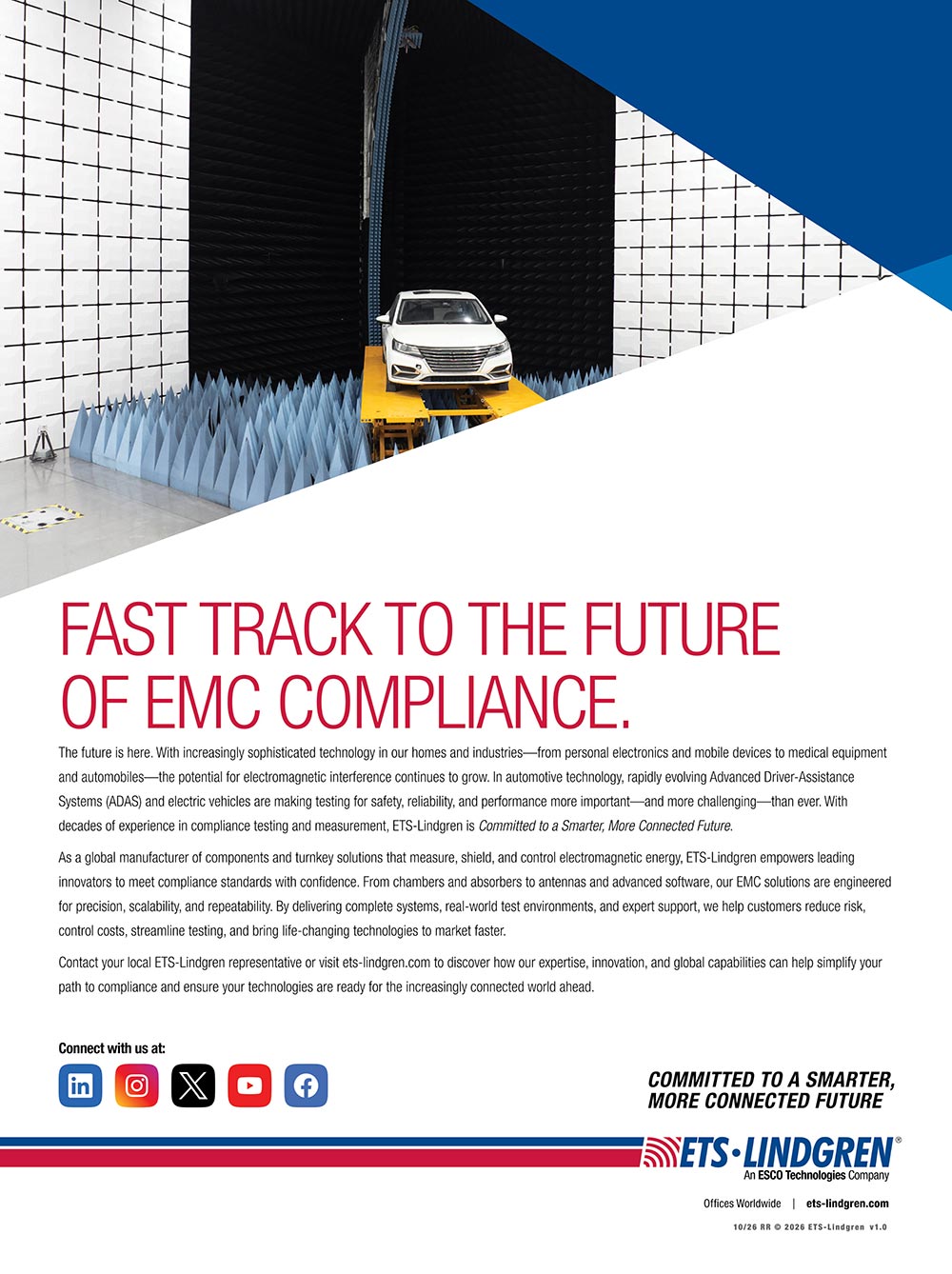
As testing grows more complex, TILE!™ 8 brings instruments, workflows, and data together in one powerful automation platform. With Python scripting, automated instrument discovery, expanded connectivity, and enhanced workflows, TILE! 8 helps labs simplify testing, increase efficiency, improve consistency, and confidently manage evolving test requirements across evolving laboratory needs. ETS-Lindgren is Committed to a Smarter, More Connected Future.
Exodus Advanced Communications promotional banner featuring the AMP20098 broadband power amplifier unit.
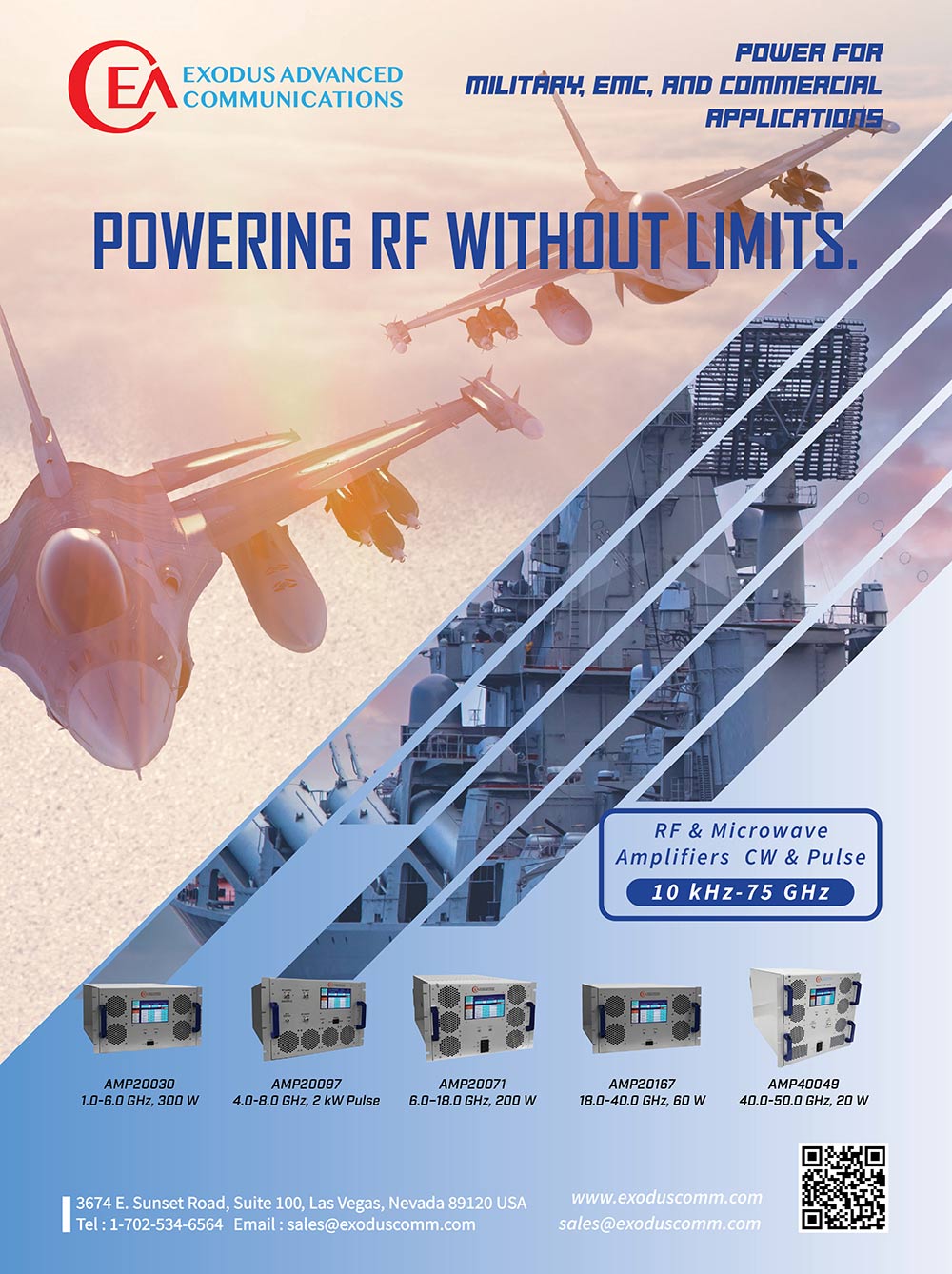
AMP20098 2.0-8.0 GHz, 120 W Solid-State High-Power Amplifier
The Exodus AMP20098 delivers a minimum saturated output power of 120 W across 2.0–8.0 GHz with a minimum gain of 51 dB. Designed for EMI/RFI, laboratory, CW/Pulse, and communications applications, with built-in protection, monitoring, and remote control.
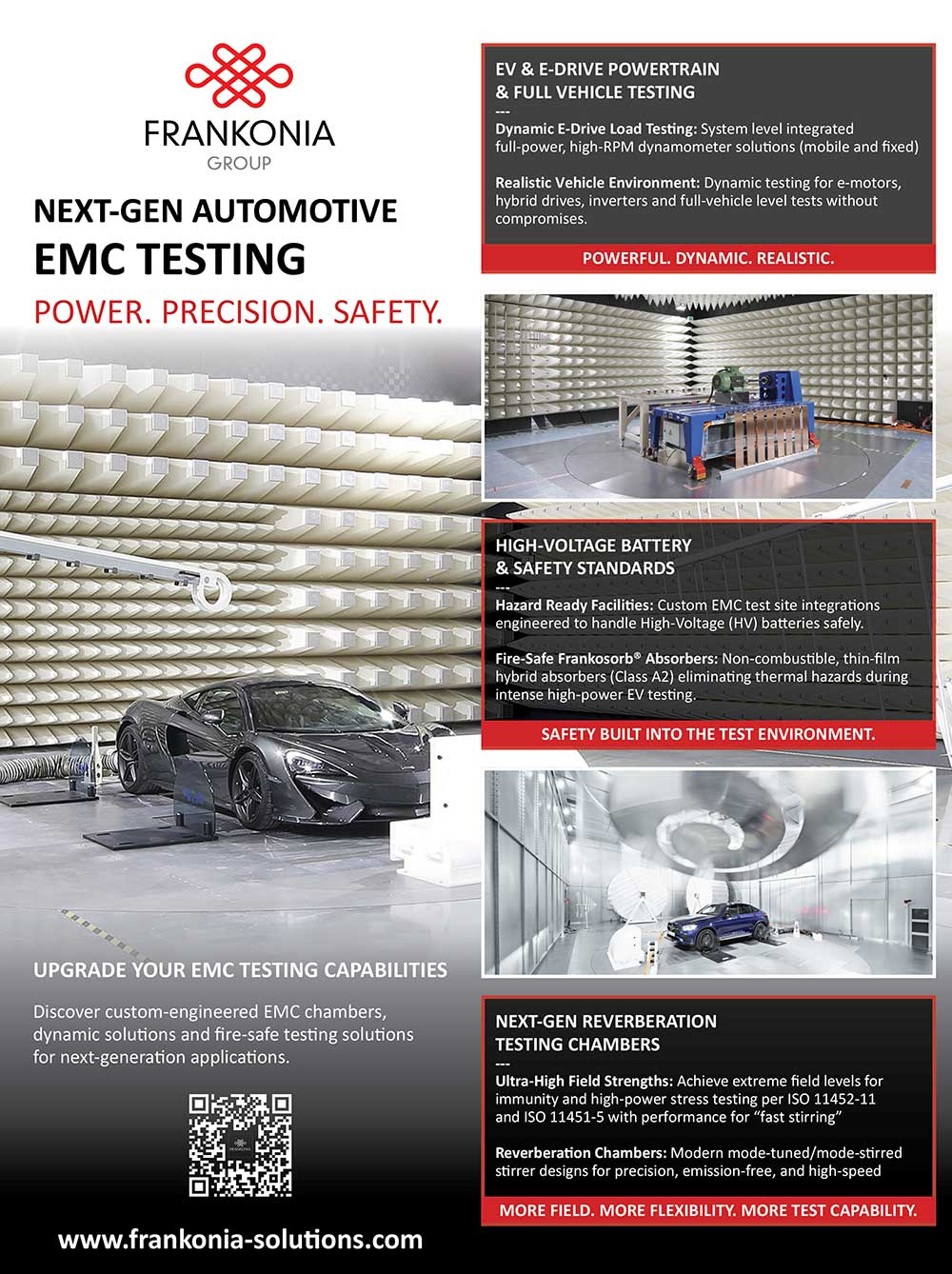
Frankonia Group graphic featuring pyramid absorber-lined walls inside an anechoic chamber.
Frankonia: Anechoic & Reverberation Chambers
Frankonia Solutions delivers turnkey, high-spec EMC test chambers engineered in Germany for the US automotive market. Specialized for e-drives, HV batteries, and full vehicles, Frankonia pairs dynamic powertrain and vehicle testing with non-combustible Frankosorb® absorbers, ensuring fire-safe, future-proof compliance (CISPR, ISO, SAE) up to 40 GHz. Perfect for labs, Tier-1s, and OEMs investing in cutting-edge EV validation infrastructure.
Autonomous white vehicle on a turntable inside a panel-lined Microwave Vision Group test chamber.
Microwave Vision Group | MVG
MVG designs, manufactures, and installs semi- and fully anechoic chambers and shielded rooms for EMC, EMPP, RF, microwave, and antenna applications. Trusted across aerospace, defense, telecom, automotive, and commercial electronics industries, as well as major test houses, we leverage over 30 years of experience to deliver custom solutions for all emissions, immunity, compliance, and pre-compliance testing needs.
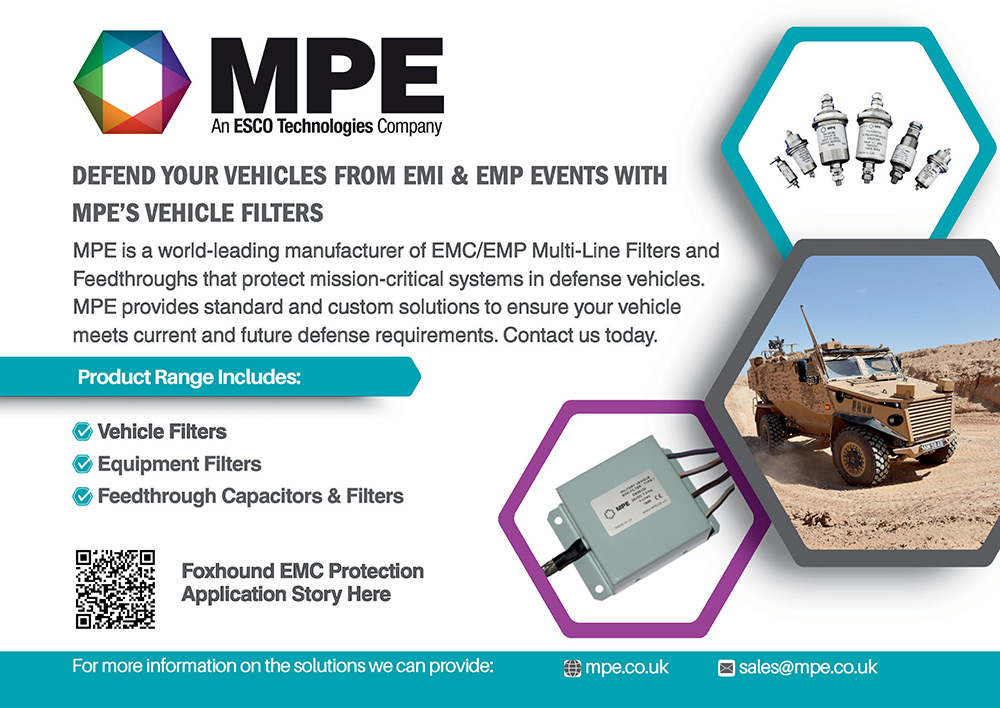
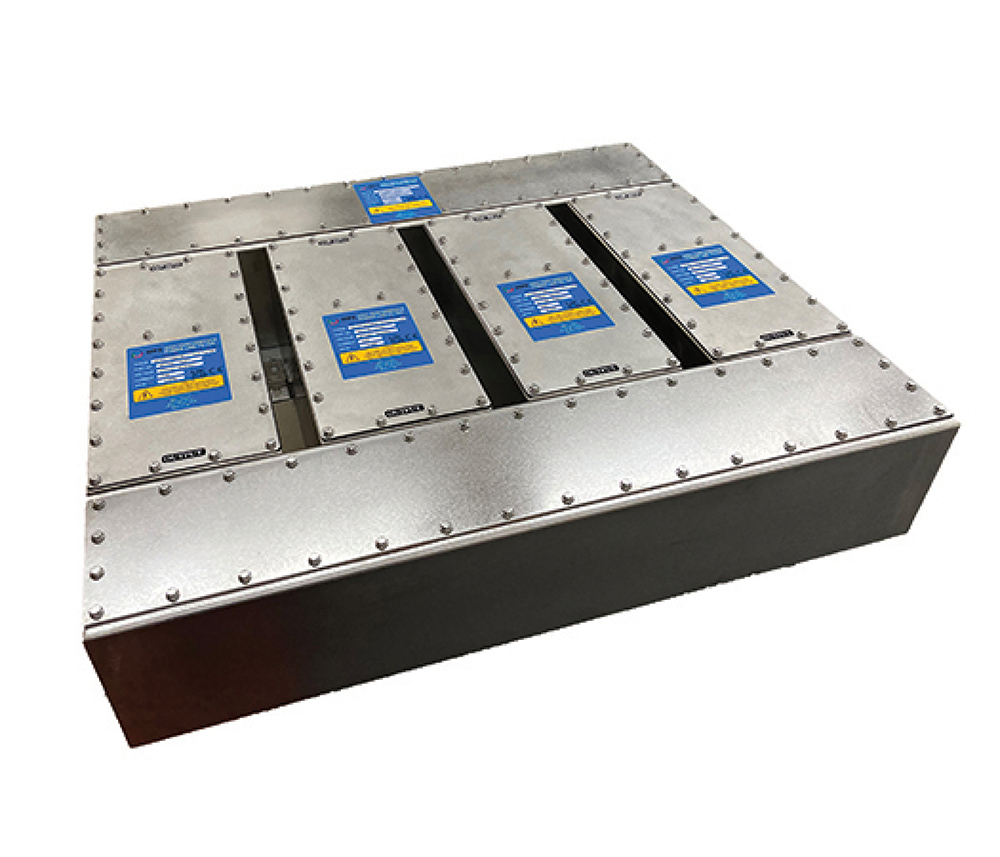
Large metal power line filter assembly housing with blue warning labels on top.
Safeguarding Infrastructure with EMP Filters
MPE is a world-leading manufacturer of EMC, EMI, and EMP protection filters that safeguard electronic systems in electrically harsh environments. MPE’s filters are known for exceptional reliability, adherence to internationally recognized certifications, and delivering industry-leading performance. These qualities enable our products to protect power, data, and control lines, helping professionals make confident choices for their protection needs.
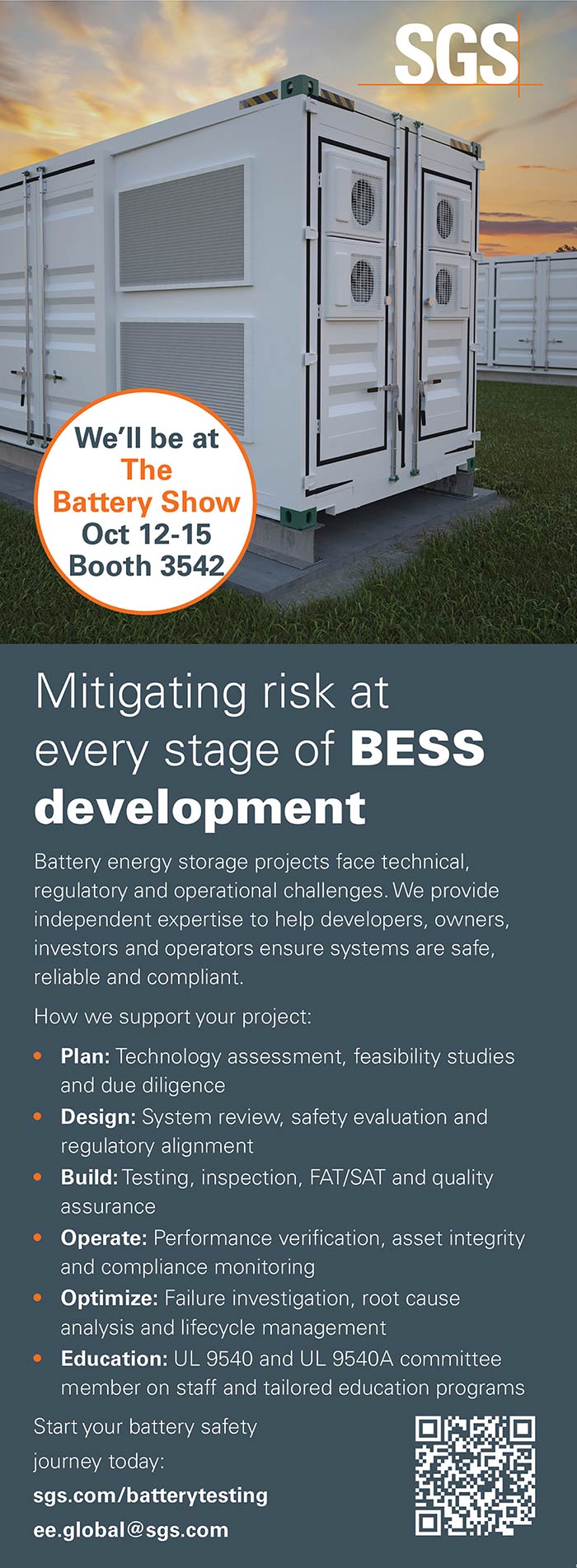
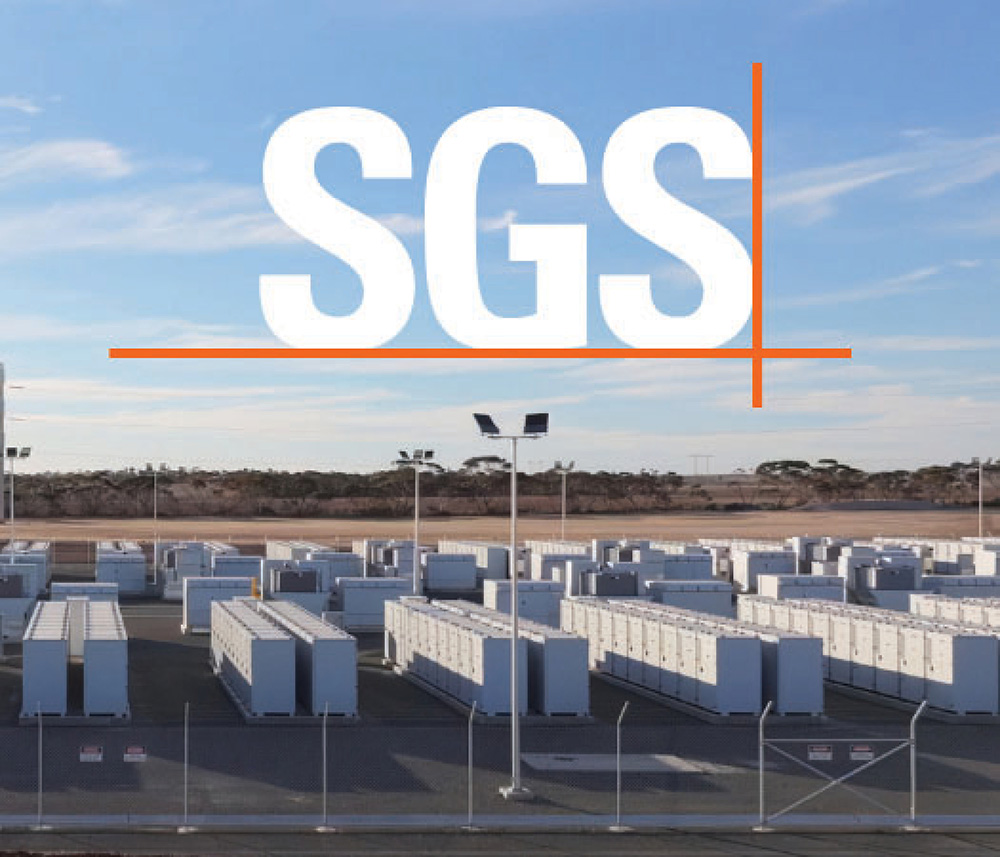
Large outdoor array of industrial energy storage containers under a blue sky with SGS logo.
Powering Confidence and Safety in BESS
As battery energy storage systems become larger and more complex, independent assurance is critical to project success. SGS helps developers, manufacturers, investors and asset owners manage technical and regulatory risk through expert testing, inspection and advisory services, including the ability to evaluate large‑scale batteries and energy storage systems to UL standards. From project planning through operational performance, SGS helps build confidence across the entire BESS value chain, supporting everything from individual cells and battery modules to fully integrated energy storage systems.
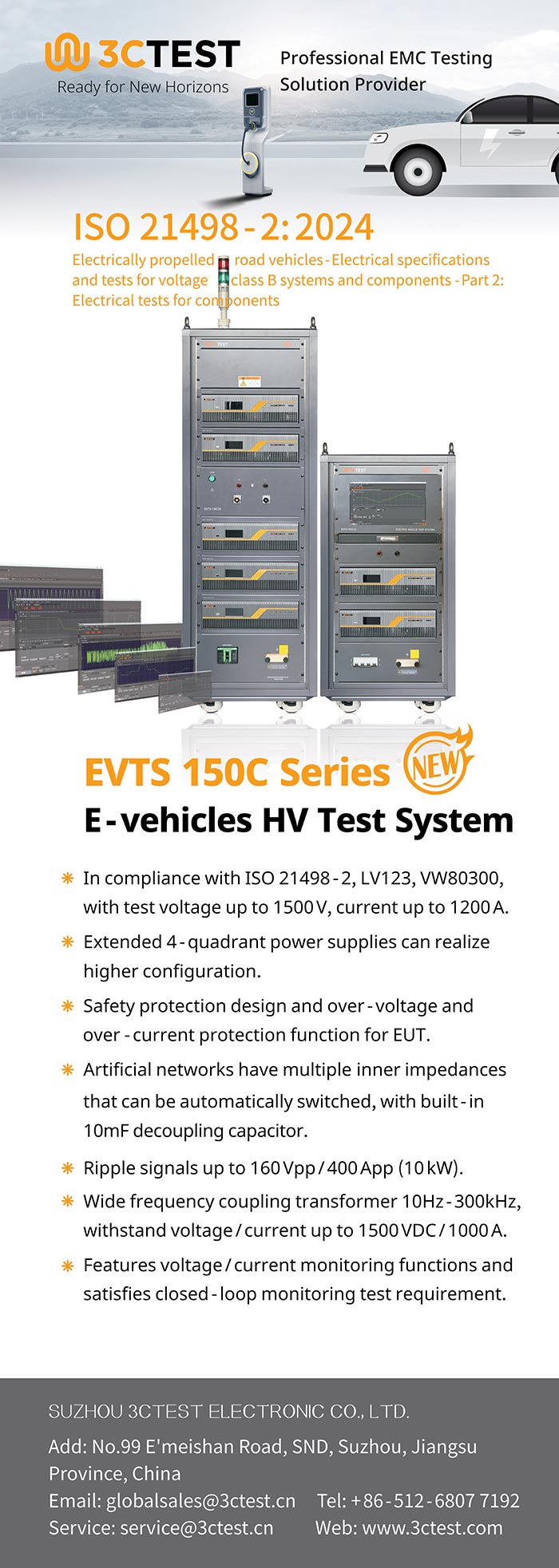
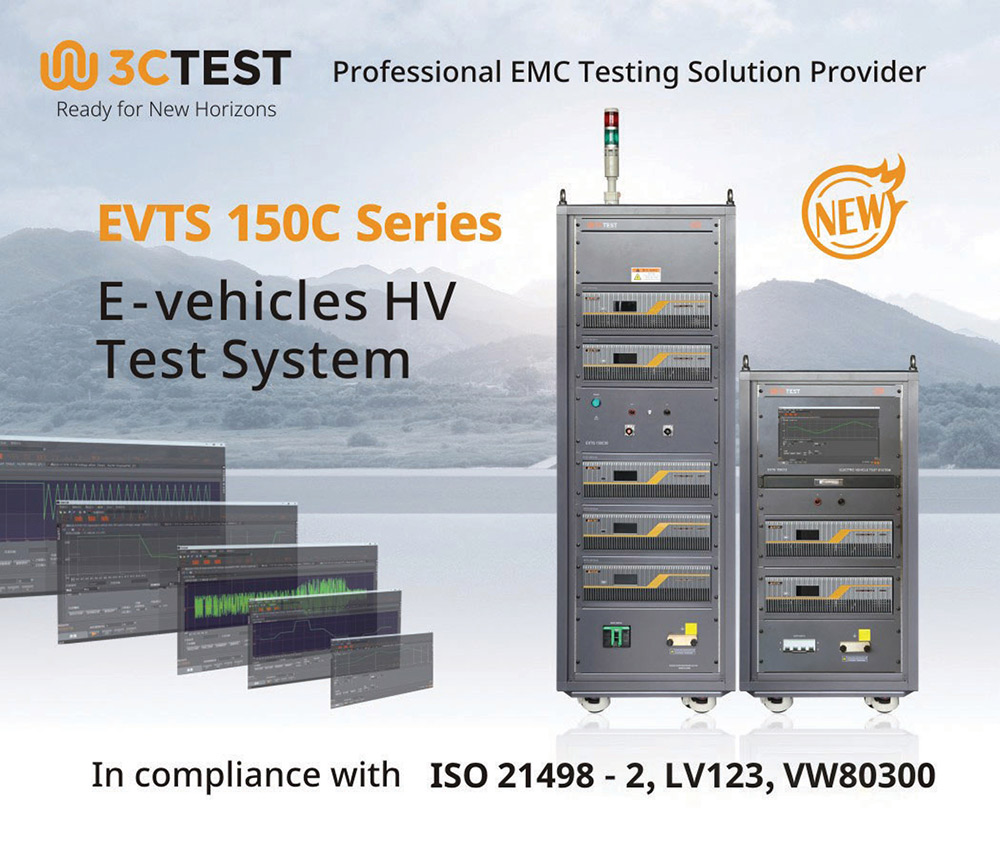
Promotional image for 3CTEST showing electric vehicle high-voltage equipment racks and software graphics.
EVTS 150C12 E-vehicles HV Test System
The EVTS 150C Series E-vehicles HV Test System is designed according to ISO 21498-2, LV123, and VW80300, with test voltage up to 1500 V and current up to 1200 A. Maximum ripple signal is 160 Vpp/400 App (10 kW). Includes a 4-quadrant power supply, artificial networks, coupling transformer, and control software. Higher configurations can be achieved by adding extendible power sources. The system equips with safety protection design, with over-voltage and over-current protection function. Visit https://3ctest.com.
8-bit pixel art image of a man running and cheering as electronic components like coils, transformers, and integrated circuits fall from a red 'WE' logo platform under a blue sky.
Power Up with Würth Elektronik!
With our wide portfolio of high-quality components, a toolbox full of technical guidelines, our design platform REDEXPERT, books, and application-based content, we provide the right solution for every aspect of your design. Our team of experts provides you with personal and digital support for all questions relating to power conversion. Power up your efficiency and design-in time with us. Visit us at https://www.we-online.com/en/components/products.
Featured
Suppliers
Quickly locate and connect with trusted industry partners for your business needs.
A.H. Systems logo
A.H. Systems, Inc.
Absolute EMC, LLC logo
Absolute EMC, LLC
Albatross Projects logo
Albatross Projects
Exodus Advanced Communications logo
Exodus Advanced Communications
MVG EMC logo
MVG (Microwave Vision Group)
Suzhou 3ctest Electronic Co, Ltd. logo
Suzhou 3ctest Electronic Co, Ltd.
Würth Elektronik logo
Würth Elektronik
Get to know these suppliers.

Detailed profiles for each featured supplier are available in the In Compliance Online Directory.

Advertiser Index
View Index
A.H. Systems, Inc. – Ad 1, Ad 2
Absolute EMC – Ad 1, Ad 2
Albatross Projects – Ad 1, Ad 2
Braden Shielding Systems – Ad 1, Ad 2
ETS-Lindgren – Ad 1, Ad 2
Exodus Advanced Communications – Ad 1, Ad 2
Frankonia Solutions – Ad 1, Ad 2
MVG (Microwave Vision Group) – Ad 1, Ad 2
MPE Ltd. – Ad 1, Ad 2
SGS North America Inc. – Ad 1, Ad 2
Suzhou 3ctest Electronic Co., Ltd. – Ad 1, Ad 2
Würth Elektronik – Ad 1, Ad 2
Upcoming Events
October 4-9
European Microwave Week

October 6-9
Applying Practical EMI Design & Troubleshooting Techniques

Advanced PCB Design EMC+SI

Mechanical Design for EMC

October 7
Electric Vehicle Powertrain: Challenges for EMC – HV EMC Filter for Compliance of Electric Vehicles

October 12-15
The Battery Show North America

October 12-15
Military Standard 810 (MIL-STD 810) Testing Open Course

October 13-16
Applying Practical EMI Design & Troubleshooting Techniques

Advanced PCB Design EMC+SI

Mechanical Design for EMC

October 26-29
Military Standard 810 (MIL‑STD 810) Testing Open Course

October 26-29
10th IEEE RADIO International Conference

October 27-28
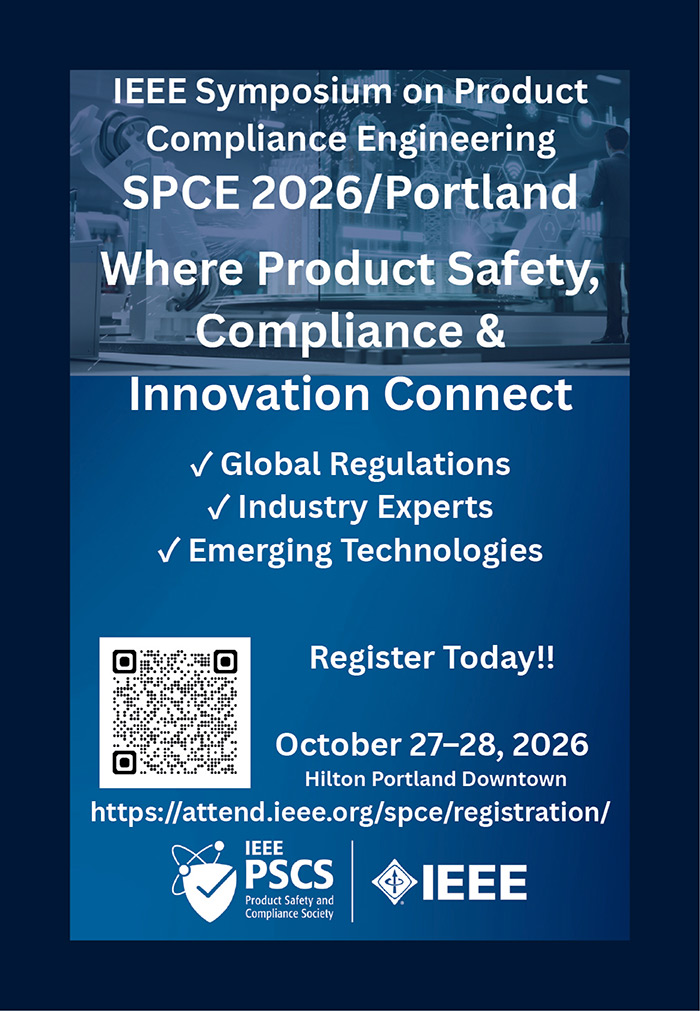
IEEE Symposium on Product Compliance Engineering (SPCE)

November 1-6
48th Annual Meeting and Symposium of the Antenna Measurement Techniques Association (AMTA)

Hosting a conference, course, or webinar for the compliance engineering community? Share your event with us and it could be included on our website and in an upcoming issue.

Events submitted now may also be featured in our January issue, where we highlight what’s coming in 2027.

Send details to events@incompliancemag.com.

Stay Current, Stay Compliant… Don’t Let Your Compliance Coverage Expire
Ensure you never miss an update. Renew your In Compliance subscription—or start a new one—and keep expert insights coming all year long.
Is it time to renew your subscription to In Compliance?
Was this issue of In Compliance forwarded to you?
Do you only want to receive the In Compliance enewsletters?

You can do that here.

In Compliance: The Compliance information Resource for Electrical Engineers logo
Thanks for reading our October 2026 issue!